Nvidia Halts OEM AI Server Shipments to Four Southeast Asian Hubs as US Export Licensing Takes Effect
Nvidia has instructed server makers including Dell and Supermicro to stop shipping GPU-equipped servers to Malaysia, Singapore, Thailand and Indonesia while working through new US export rules targeting remote compute access by Chinese firms.
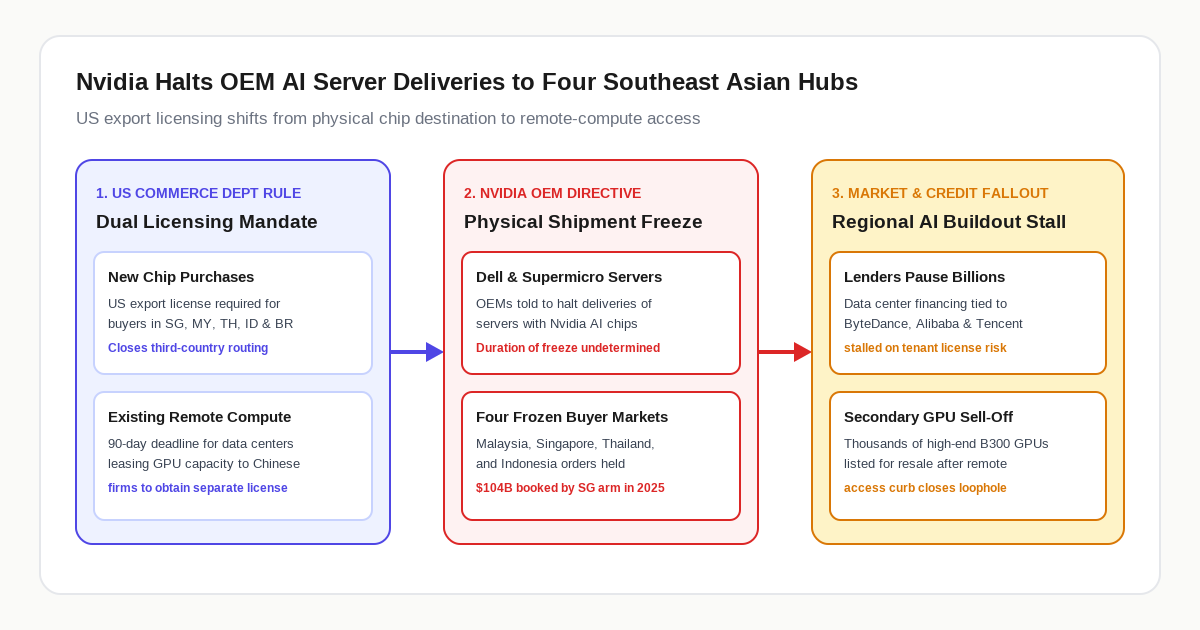
Nvidia has instructed server manufacturing partners, including Dell and Supermicro, to stop shipping servers containing its AI chips to buyers in Malaysia, Singapore, Thailand, and Indonesia, according to Financial Times reporting cited by Reuters via Investing.com and Semafor. The operational freeze stops physical hardware deliveries across four of Asia-Pacific’s fastest-growing data center markets while Nvidia and its system integrators evaluate compliance under new US Commerce Department export controls.
While Washington’s new licensing mandate took effect the previous week, the immediate operational consequence is a delivery hold at the original equipment manufacturer (OEM) layer. According to three people familiar with the matter cited by the Financial Times, OEMs that package Nvidia GPUs into complete server racks notified customers in the four countries that Nvidia would not permit their pending orders to ship. Neither Nvidia, Dell, nor Supermicro immediately responded to comment requests outside regular business hours, and it remains unclear how long the freeze will last while compliance reviews proceed.
From Physical Destination Controls to Remote-Compute Licensing
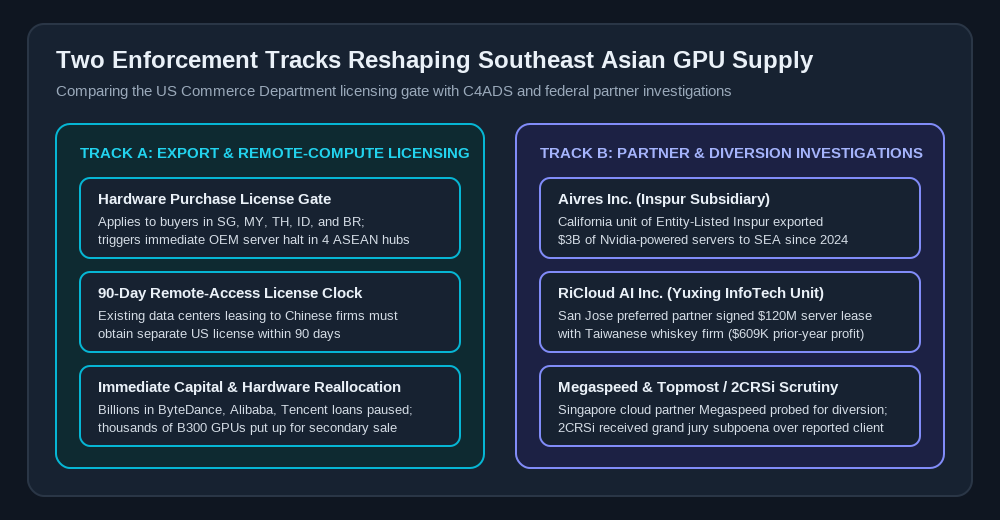
The shipment freeze follows a structural change in US semiconductor export policy. As reported by Semafor on November 25, the Commerce Department rule requires companies in Singapore, Malaysia, Indonesia, Thailand, and Brazil to obtain a US government license before purchasing advanced American AI chips. In addition, data center operators in those jurisdictions that already lease compute capacity to Chinese firms have a 90-day window to secure a separate operating license.
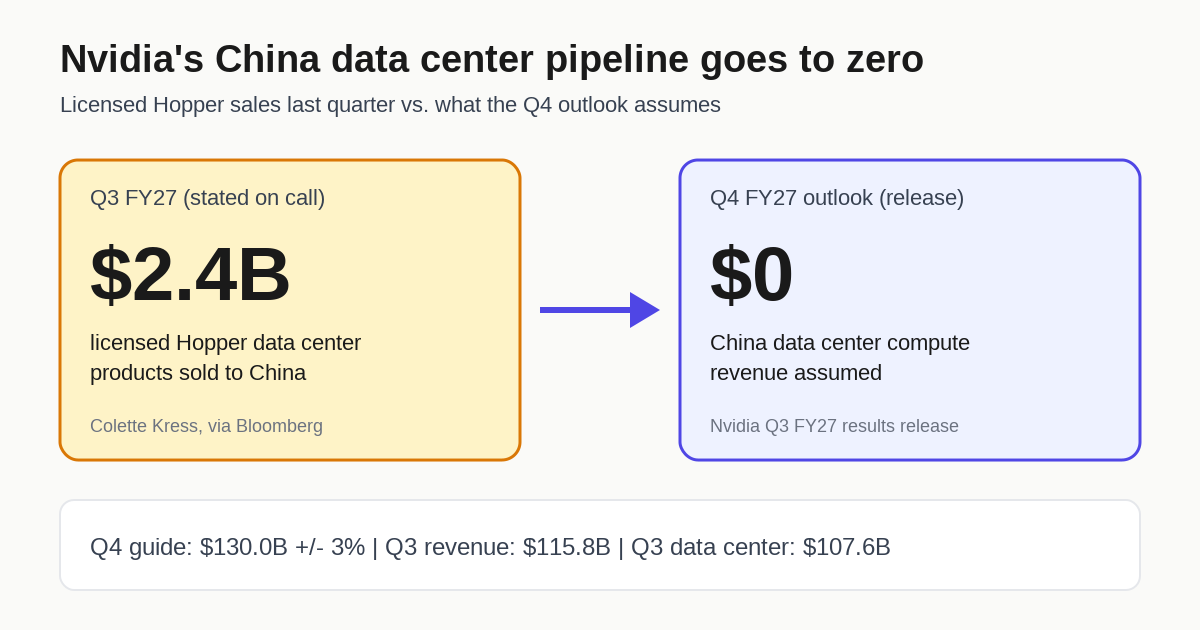
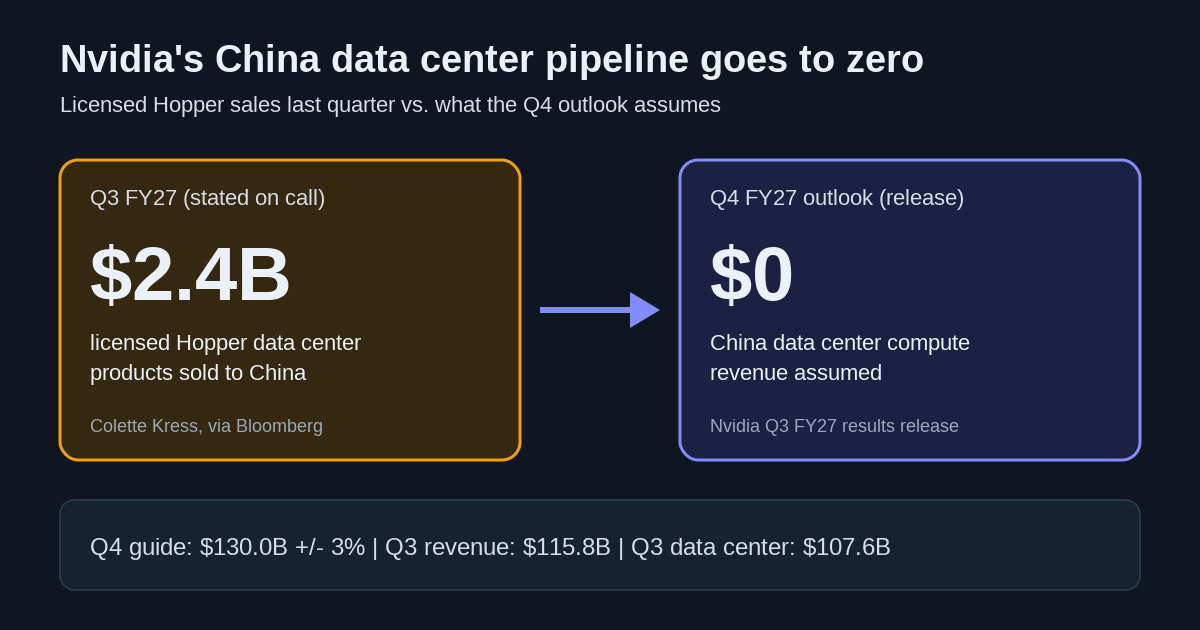
Barclays analysts quoted by Semafor noted that the regulation shifts US semiconductor enforcement from policing where advanced processors physically land to governing who ultimately accesses the compute those clusters generate. After earlier rules barred direct shipments of frontier accelerators to mainland China—a restriction that eventually led to Nvidia stopping licensed AI chip shipments to China and guiding to zero China data center revenue—Chinese hyperscalers turned to leasing capacity inside third-country Southeast Asian facilities.
The commercial exposure is substantial for both Nvidia and regional infrastructure lenders:
- Singapore Revenue Concentration: Nvidia’s Singapore arm booked $104 billion in 2025, underscoring how heavily regional billing and physical colocation hubs have anchored the chipmaker’s Asian business.
- Paused Hyperscaler Financing: According to Bloomberg reporting cited by Semafor, financial institutions have paused billions of dollars in data center loans tied to Chinese hyperscalers ByteDance, Alibaba, and Tencent as the 90-day licensing requirement clouds tenant cash flows. That credit pullback adds pressure to a sector already facing S&P CreditWatch scrutiny over AI financing collateral.
- Secondary-Market GPU Liquidation: Citing CNBC, SiliconANGLE reported that companies have listed an unusually large volume of Nvidia processors for resale since the Commerce Department unveiled the remote-access restrictions, including thousands of high-end B300 GPUs believed to have been purchased for facilities serving Chinese tenants.
US Partner Ties and Governance Scrutiny
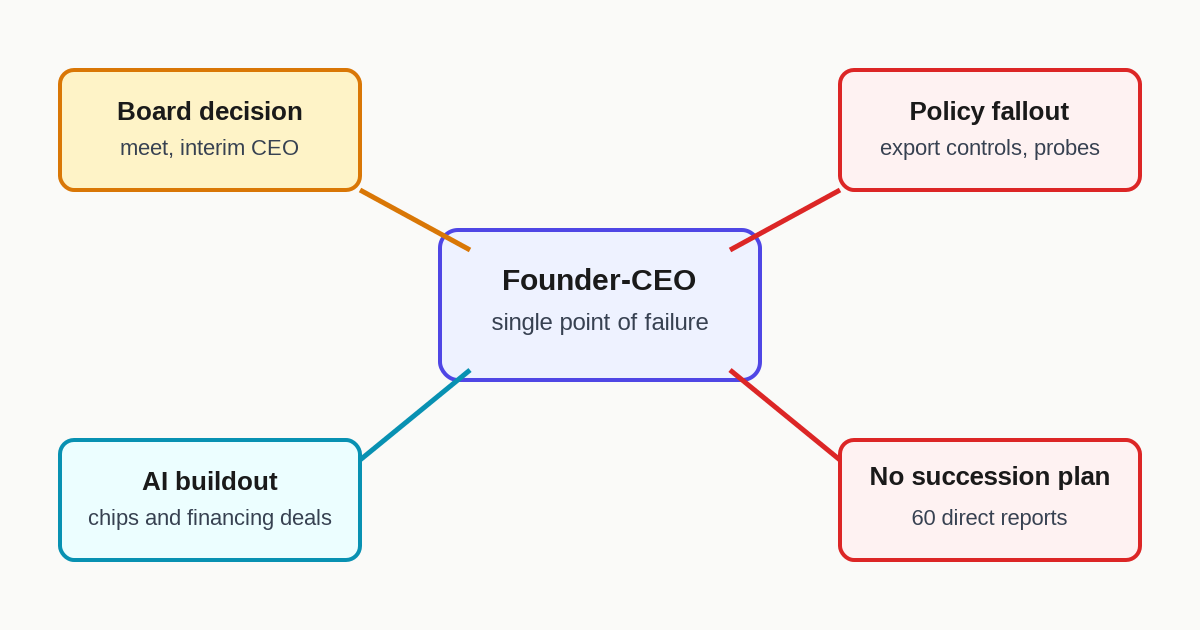
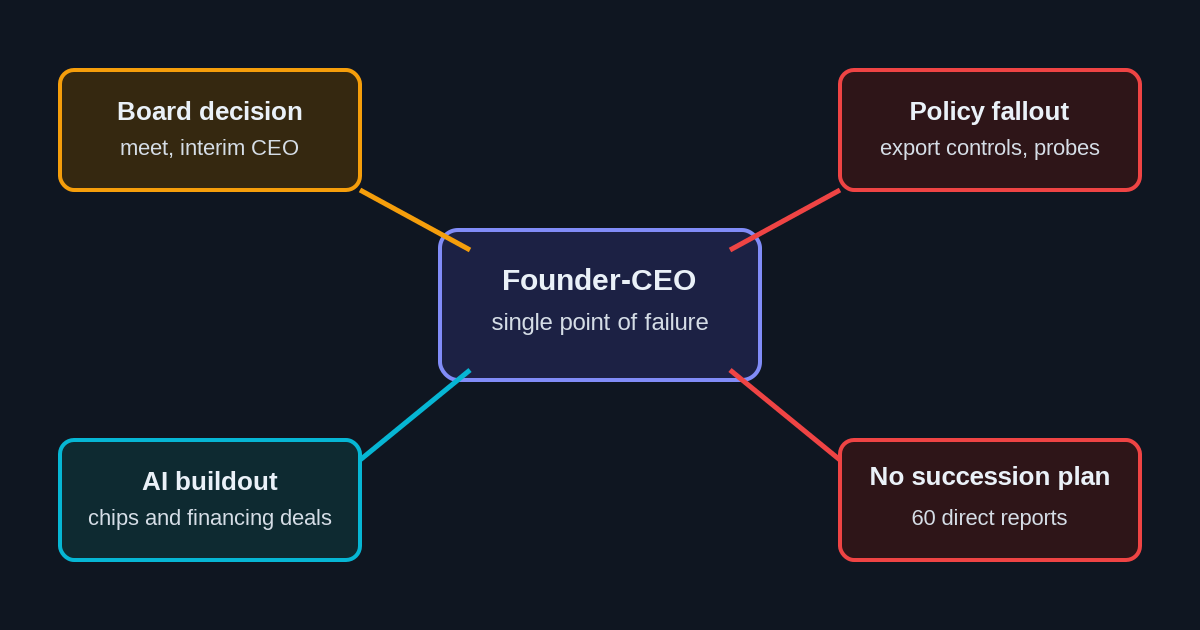
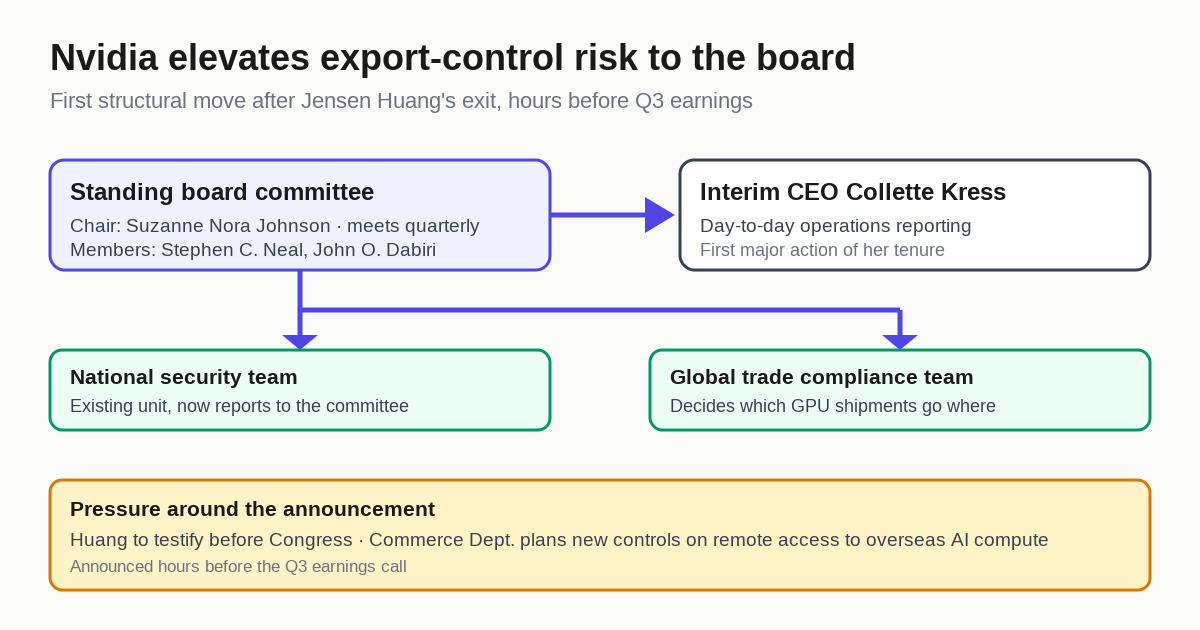
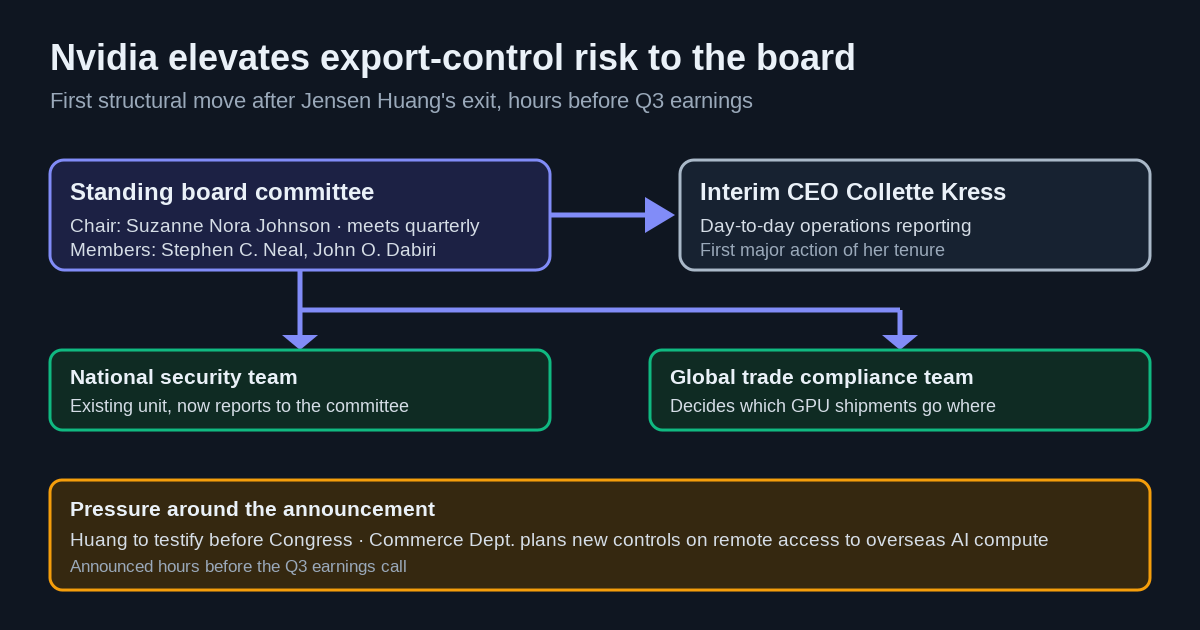
The shipment pause lands alongside heightened federal and congressional scrutiny of Nvidia’s distribution network and executive governance. The Commerce Department published the licensing rule days after Nvidia CEO Jensen Huang briefly resigned following reports of an affair with a suspected Chinese intelligence operative who previously worked at Singapore-based cloud provider Megaspeed. Although Nvidia’s board reinstated Huang on November 23, the board turbulence was accompanied by Nvidia establishing a board committee on national security and export controls and congressional inquiries into GPU fleet tracking. Megaspeed itself, an Nvidia partner that rents data center capacity, is under scrutiny for potential illegal diversion of advanced chips to China.
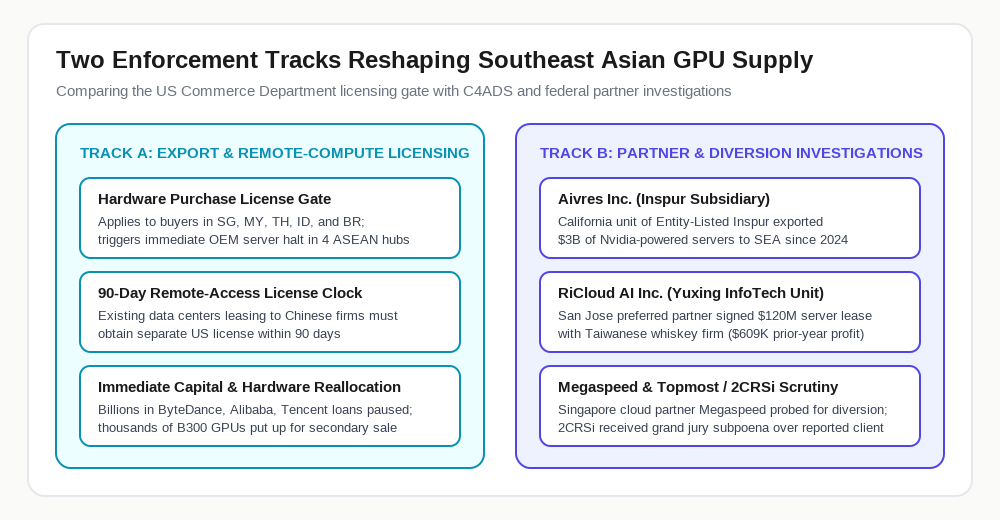
At the same time, an investigation by Washington, D.C.-based nonprofit C4ADS for CBS News, detailed by SiliconANGLE, documented corporate links between US-based Nvidia channel partners and Chinese parent entities or suspected diversion networks:
| Entity Examined | Role in Nvidia Ecosystem | Documented Evidence & Regulatory Context |
|---|---|---|
| Dell & Supermicro | Server OEM manufacturing partners | Instructed by Nvidia to halt shipments of GPU-equipped servers to buyers in Malaysia, Singapore, Thailand, and Indonesia. |
| Megaspeed | Singapore-based cloud partner | Scrutinized over potential illegal diversion of advanced AI chips to China; former employer of an executive linked to the Nvidia CEO investigation. |
| Aivres Inc. | California-based server supplier | Exported $3 billion in Nvidia-powered servers to Southeast Asia since 2024; subsidiary of Inspur, a Chinese tech company on the US Entity List. |
| RiCloud AI Inc. | San Jose-based Nvidia preferred partner | Unit of Shenzhen-based Yuxing InfoTech Investment Holdings Ltd.; signed a $120 million server lease with a Taiwanese whiskey maker that earned $609,000 in annual profit. |
| Topmost Corp. / 2CRSi Inc. | Server reseller and OEM partner | Topmost, linked to an indicted California businessman, claimed authorized reseller status for Nvidia partner 2CRSi, which received a grand jury subpoena over a client it reported. |
Practical Impact for Infrastructure and AI Operators
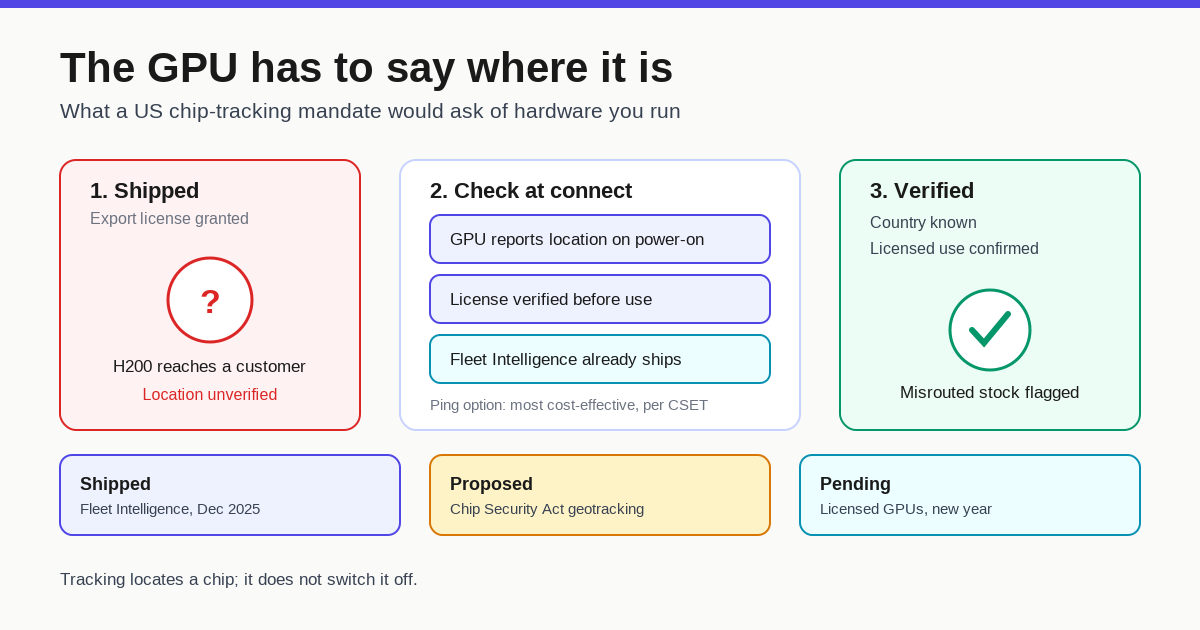
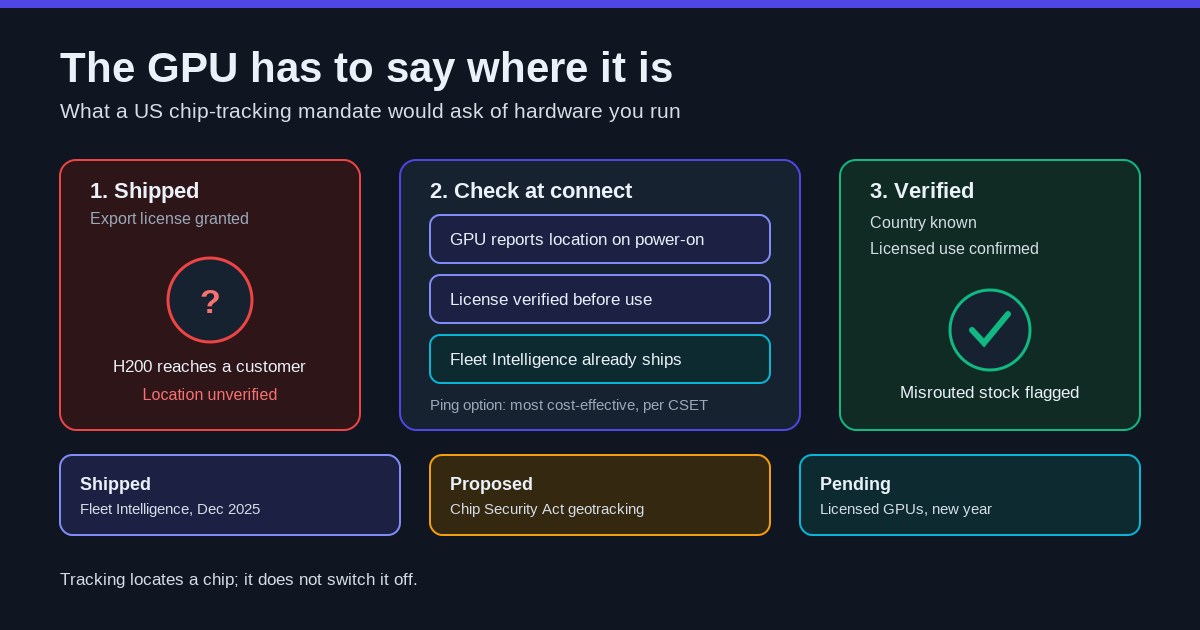
For enterprise AI teams and cloud infrastructure planners operating in Asia-Pacific, the disruption splits into two distinct timelines. First, new physical server deployments in Malaysia, Singapore, Thailand, and Indonesia face an immediate bottleneck at the OEM shipping dock, regardless of whether the end buyer is a local enterprise or a regional colocation provider. Until Nvidia and server makers establish how US export licenses are verified prior to dispatch, capacity expansions in those four hubs cannot take delivery of new Dell or Supermicro GPU racks.
Second, existing regional clusters are entering a 90-day compliance window. Data centers with Chinese hyperscaler contracts must either secure explicit US Commerce Department authorization to continue leasing remote compute or restructure their tenant mix—a transition already visible in frozen project debt and the sudden influx of thousands of B300 GPUs onto the secondary market.