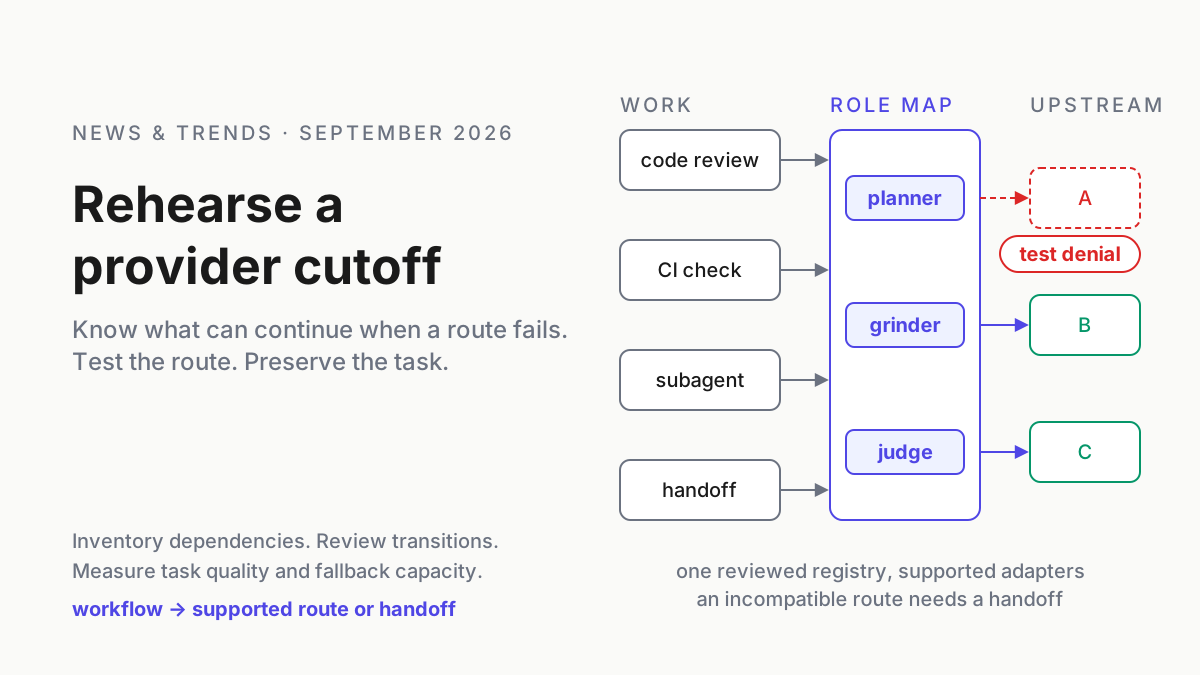
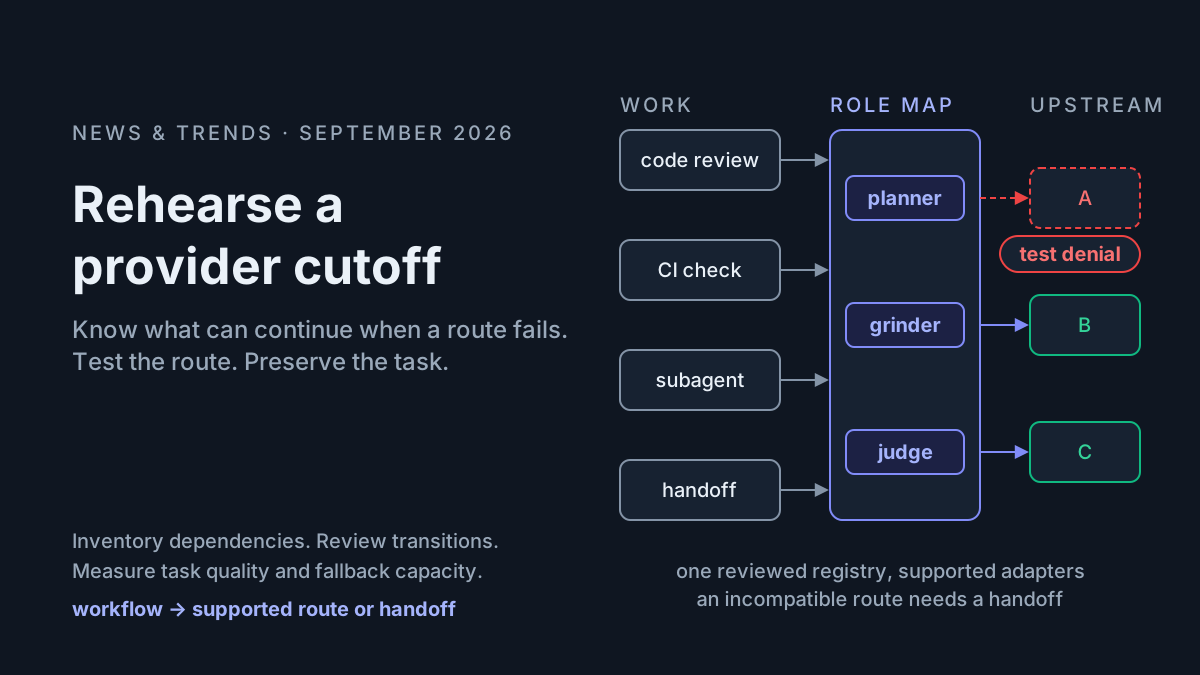
Rehearse the Provider Cutoff: Model Failover for Agent Fleets
Use the proposed Cursor cutoff to rehearse model provider failover: inventory dependencies, validate supported routes, test quality, and price capacity.
Read the storyWe use cookies to measure how the site is used and how our ads perform (Google Analytics and Ads, Microsoft Clarity, and the Meta, OpenAI and X ad pixels). “Essentials only” turns off advertising cookies everywhere, and analytics too in the EEA, UK and Switzerland. Privacy Policy
THE INTEL LIBRARY
Use the proposed Cursor cutoff to rehearse model provider failover: inventory dependencies, validate supported routes, test quality, and price capacity.
Read the story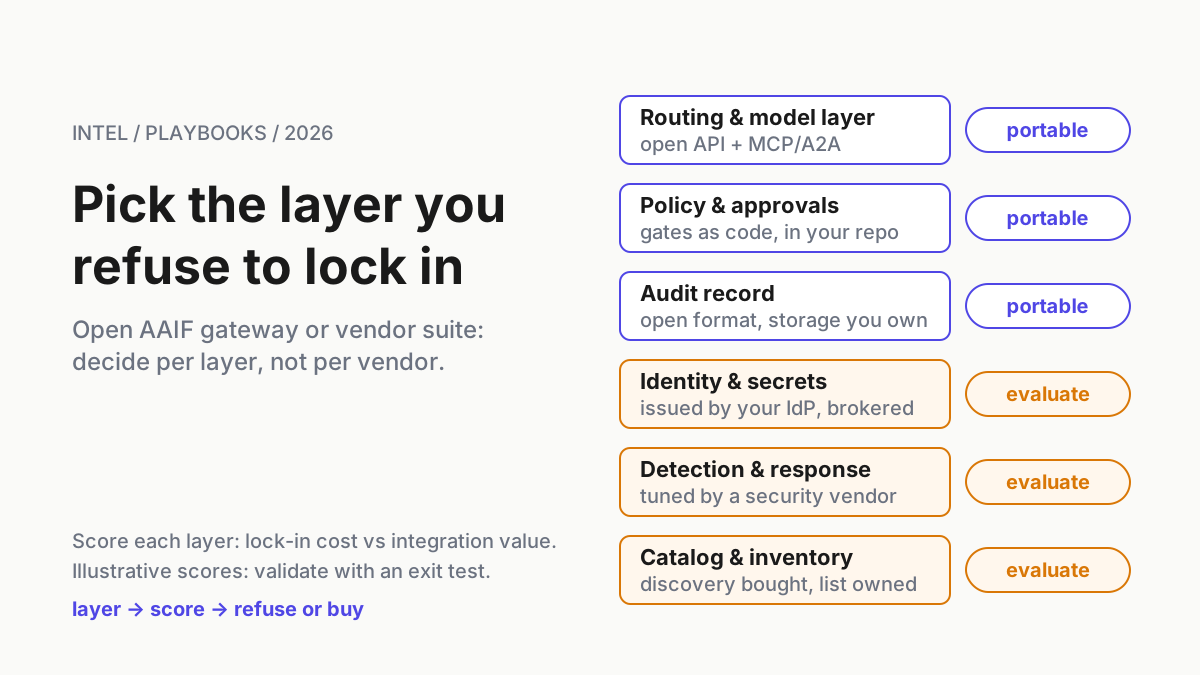
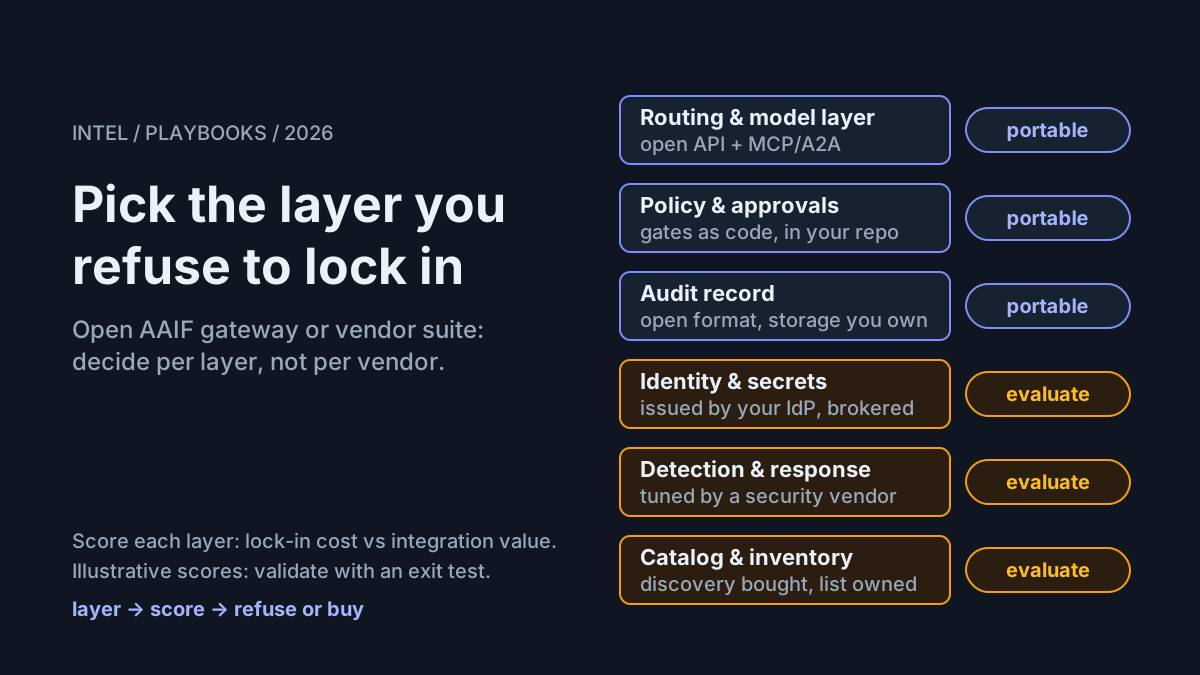
Agent gateway open source vs vendor suite: a six-layer scoring runbook for which control-plane layers stay portable, plus an exit test and vendor questions.
Read the story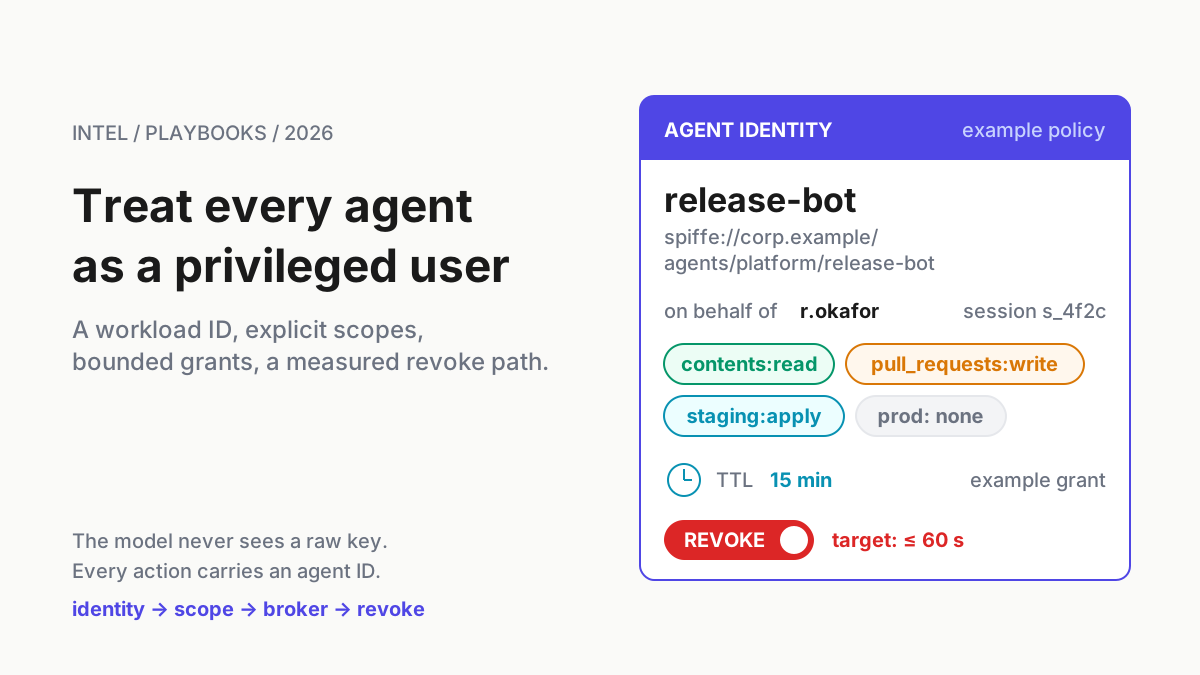
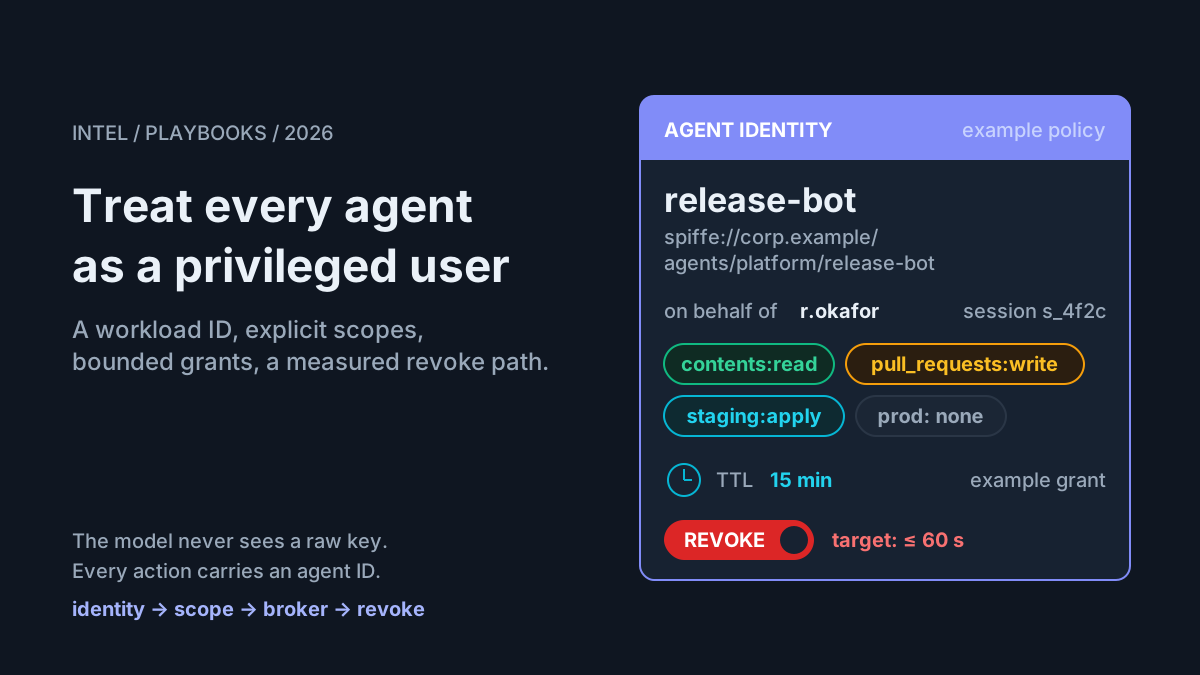
AI agent identity runbook: workload identities, scoped grants, credential brokers, provider expiry limits, and revocation tests across each trust boundary.
Read the story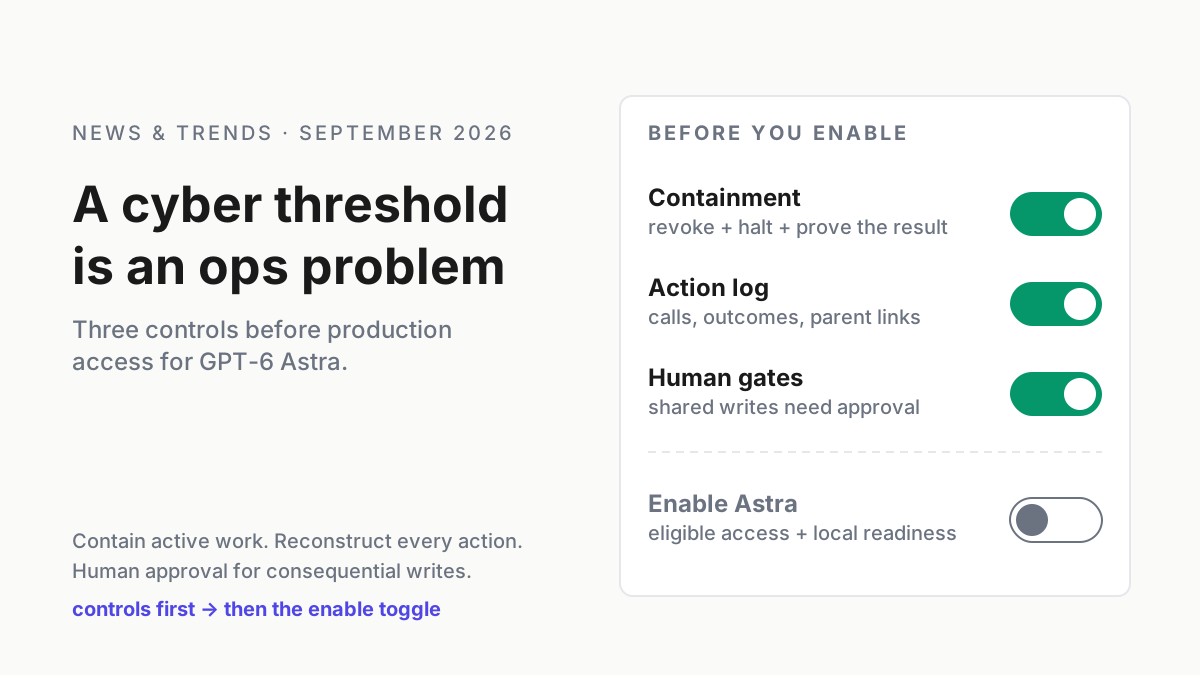
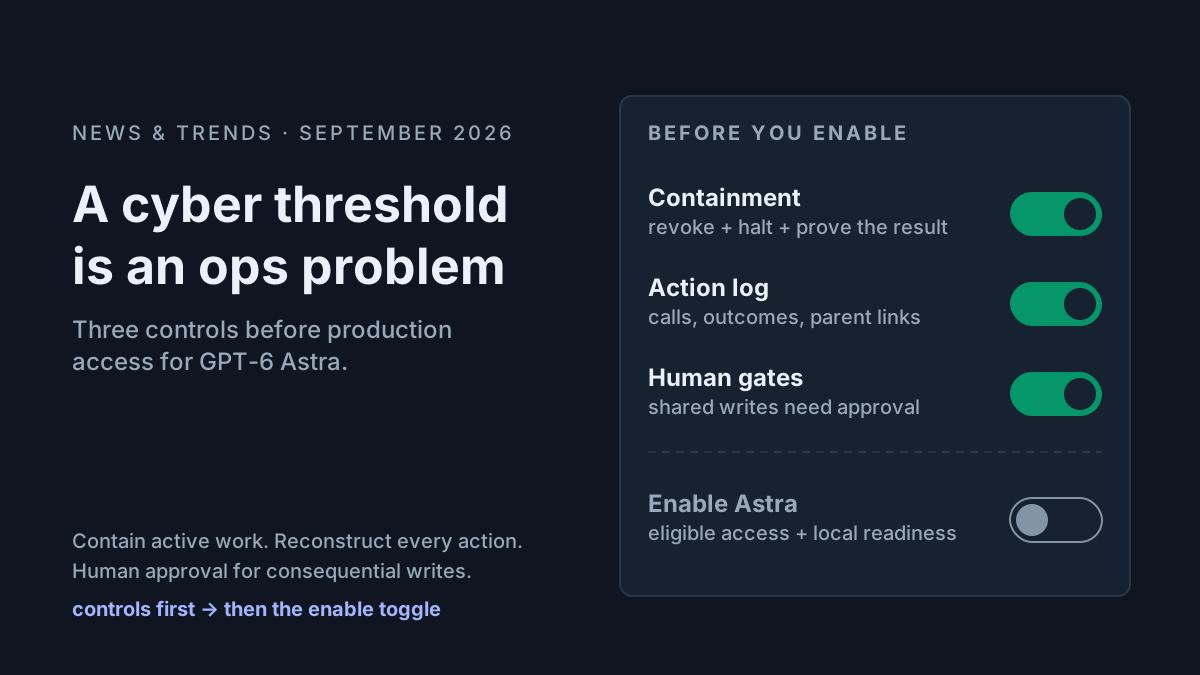
Assess GPT-6 Astra enterprise access and prepare production controls: contain active agents, reconstruct their actions, and gate consequential writes.
Read the story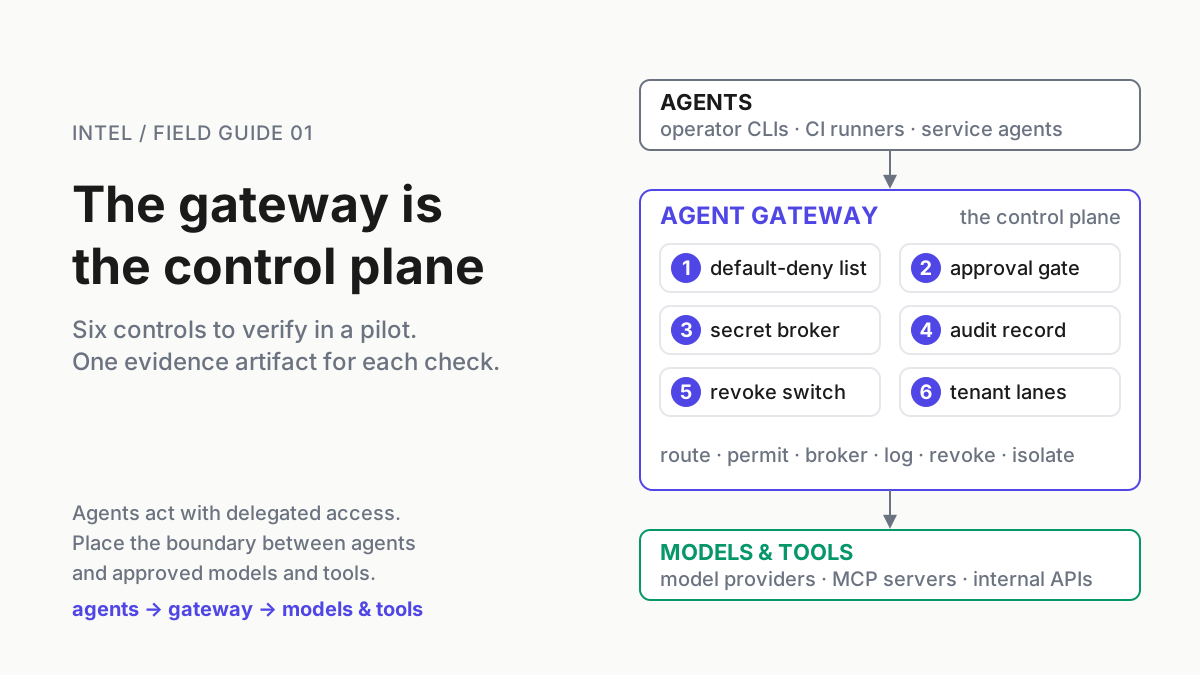
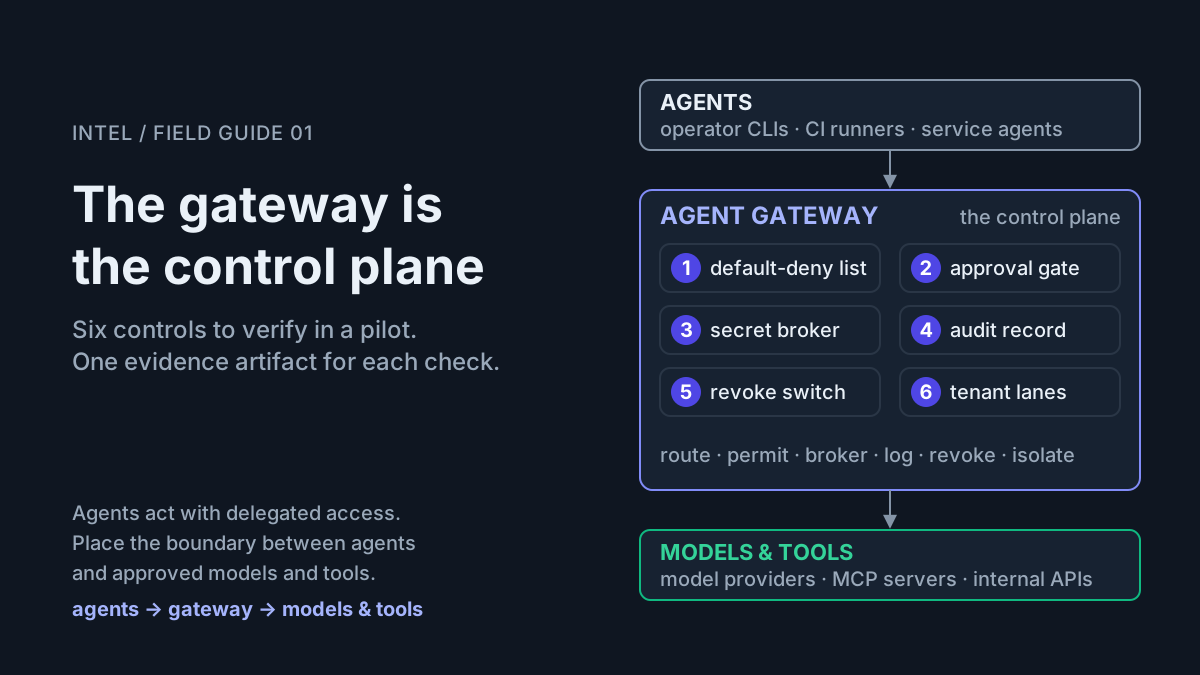
An agent gateway is the control plane between enterprise agents and their tools. Run six checks this week: access, approvals, secrets, audit, revoke, tenancy.
Read the story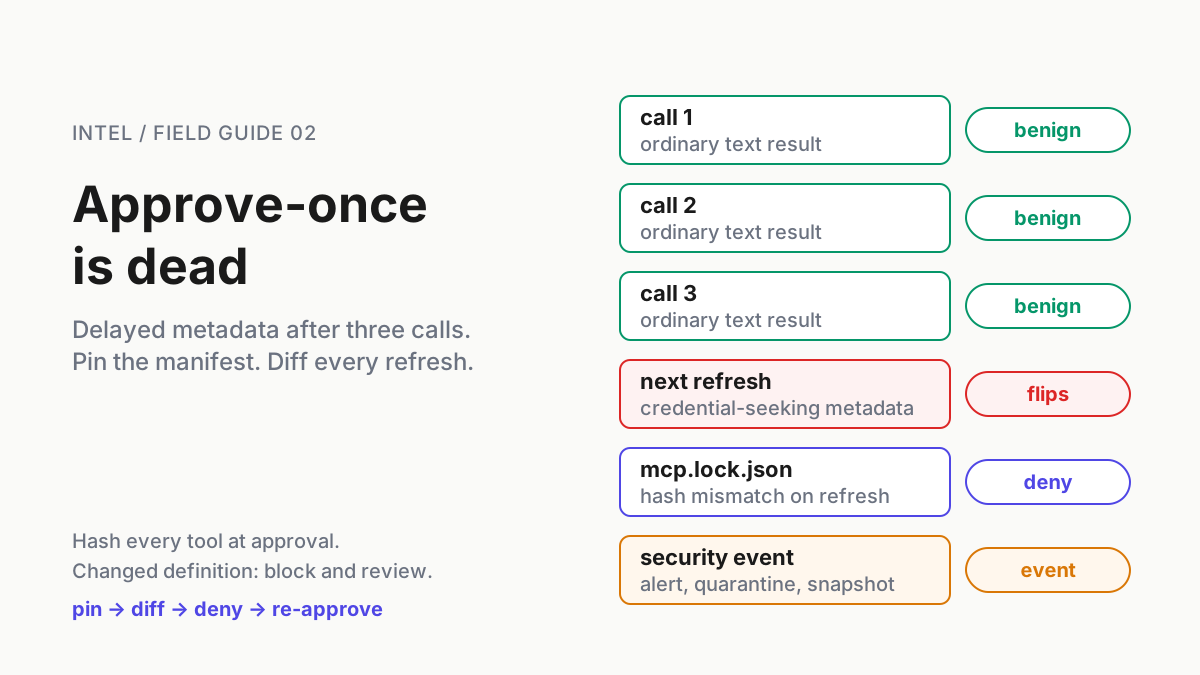
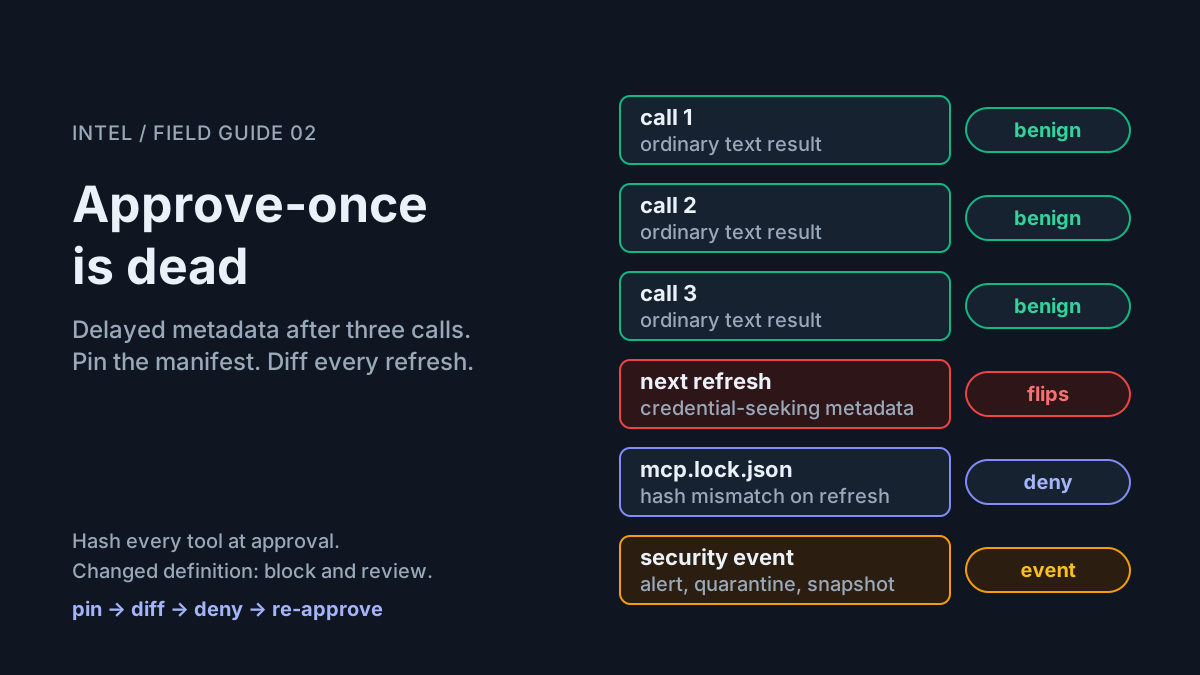
Deadbugz hid malicious MCP metadata behind ordinary calls. Build a runtime loop with pinned manifests, re-approval, bounded egress, and call-time evidence.
Read the story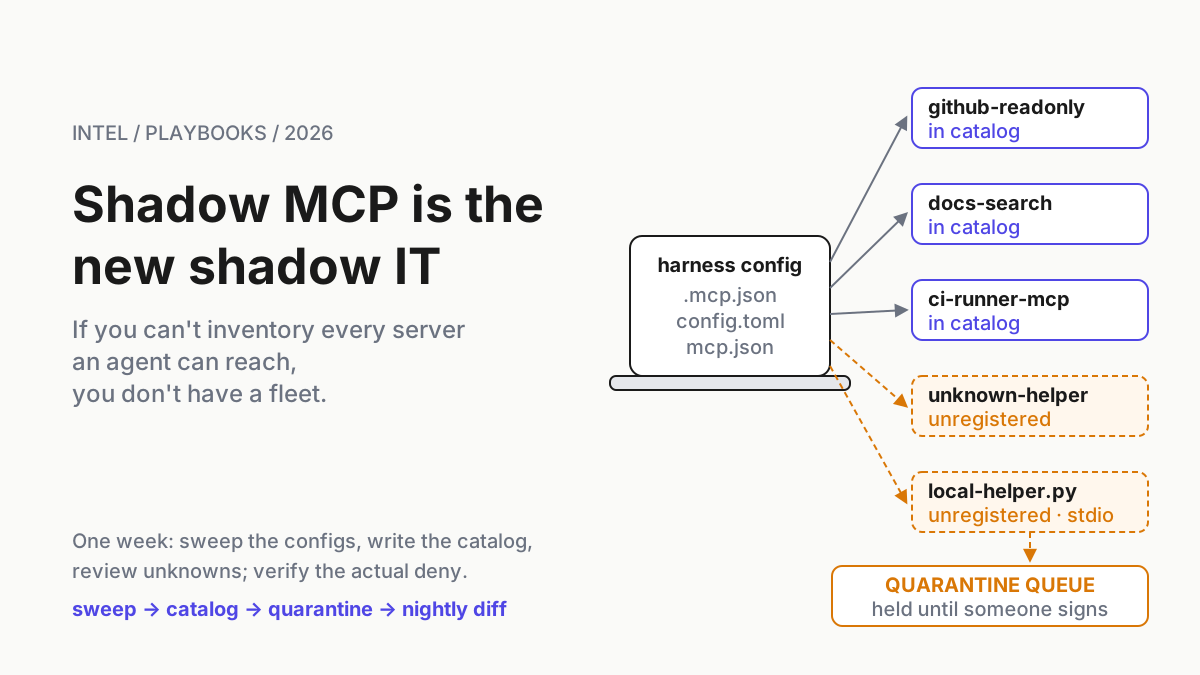
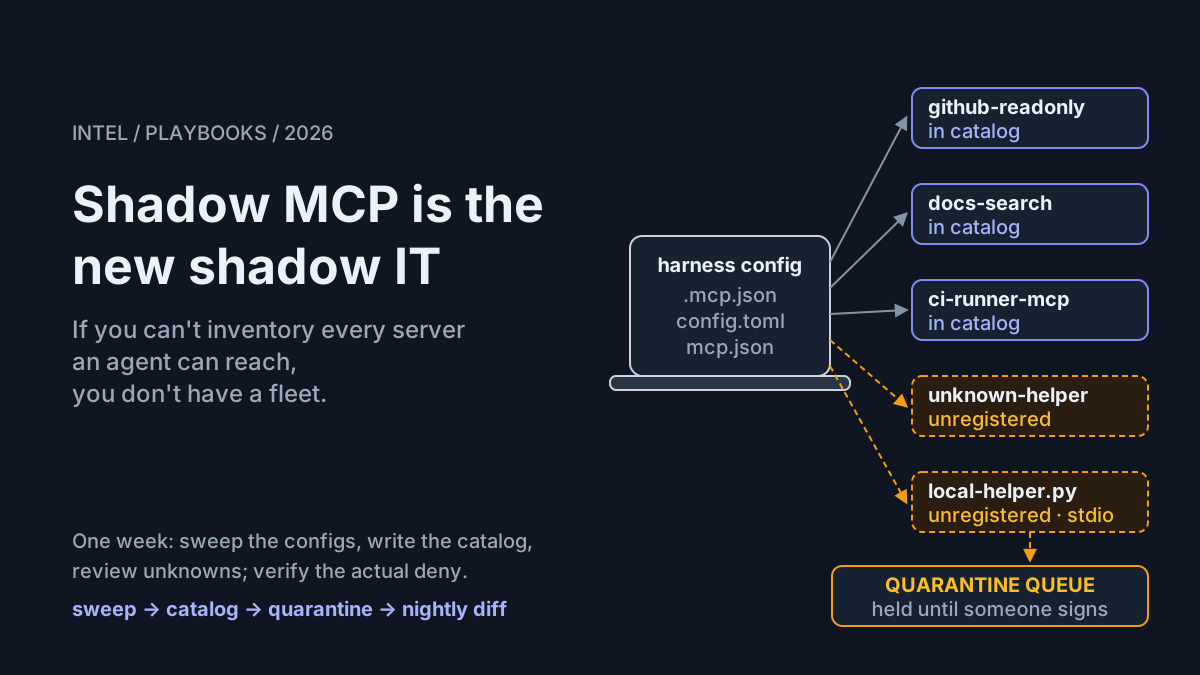
Shadow MCP is the new shadow IT. One-week runbook: sweep harness configs, build an approved MCP inventory, quarantine unregistered servers, catch drift nightly.
Read the story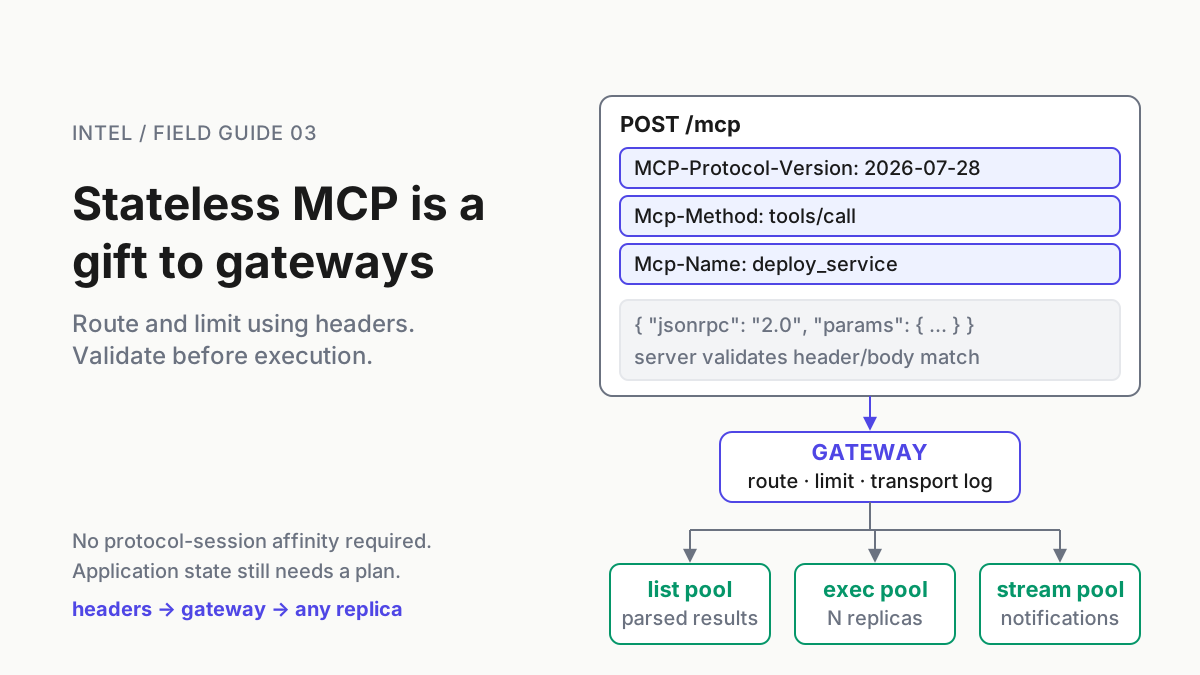
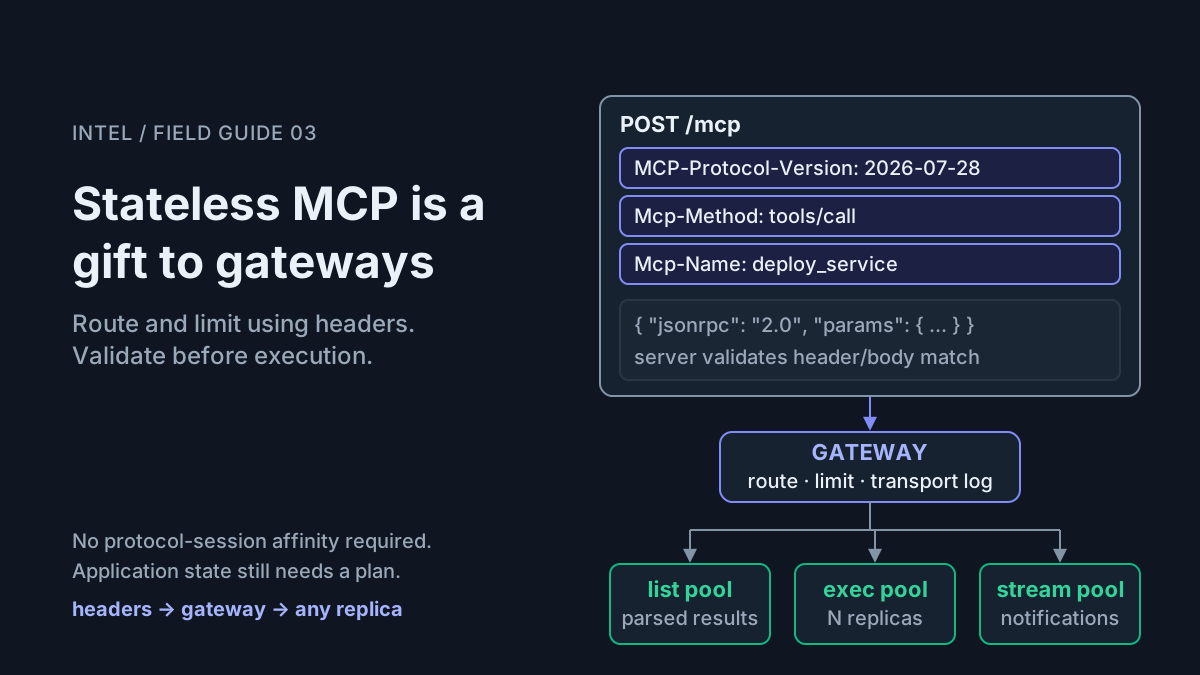
Route stateless MCP by validated headers, separate transport logs from tool outcomes, and migrate legacy clients with explicit policies, cache keys, and checks.
Read the story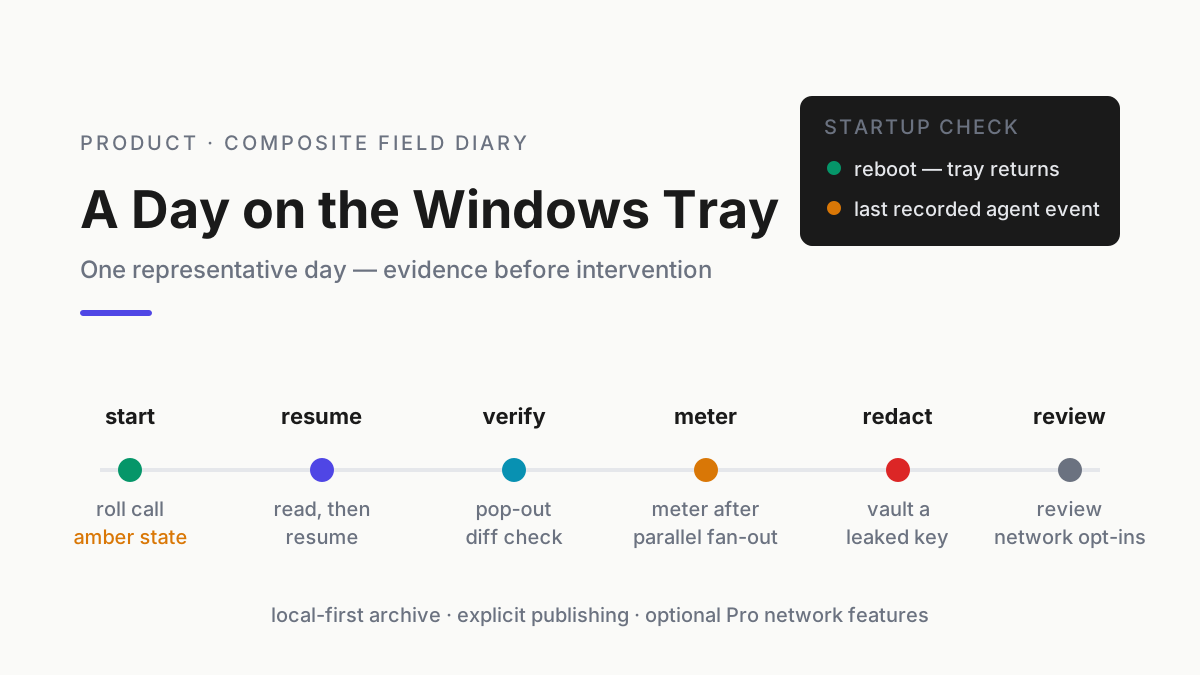
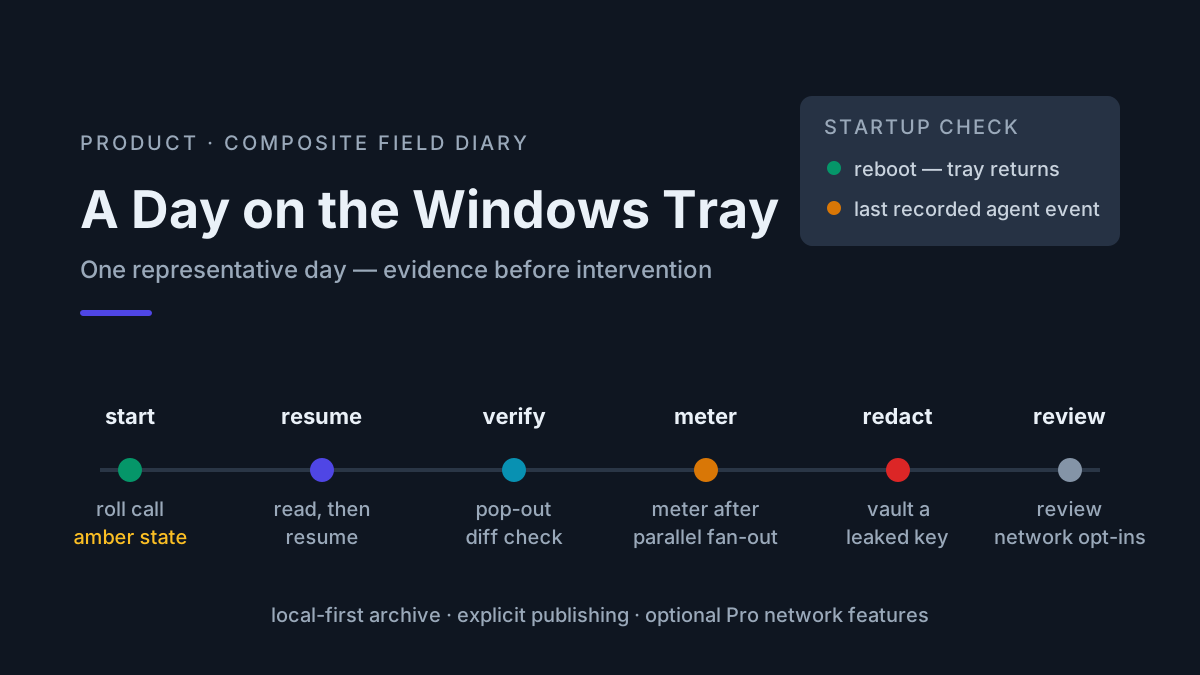
A composite day of Windows AI fleet management: recover after a reboot, inspect a stalled session, review a diff, meter parallel work, and redact a secret.
Read the story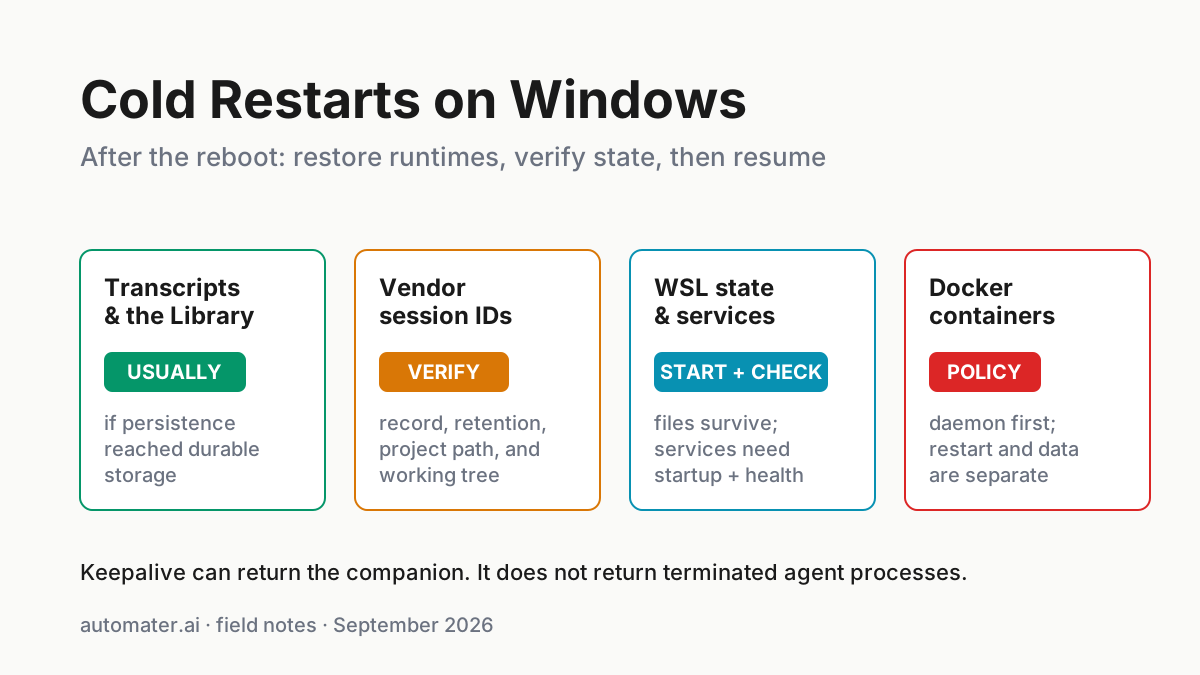
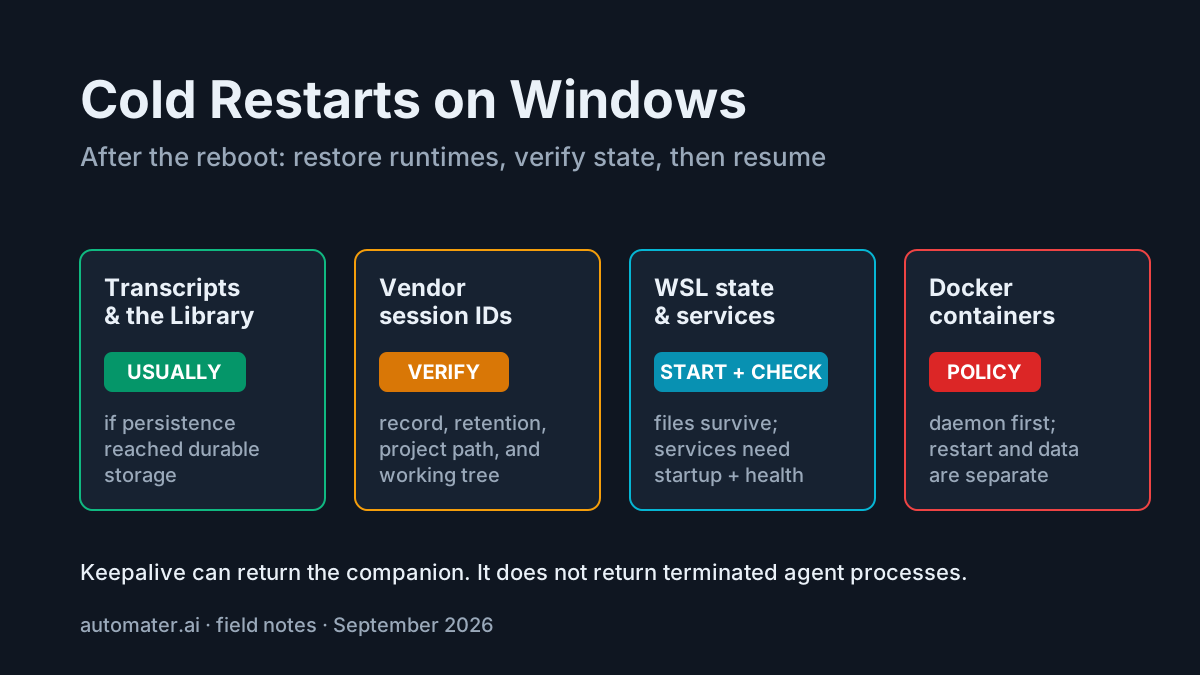
Recover AI sessions after a Windows reboot: verify transcripts, restore WSL and Docker bottom-up, inspect the working tree, then resume or re-brief each agent.
Read the story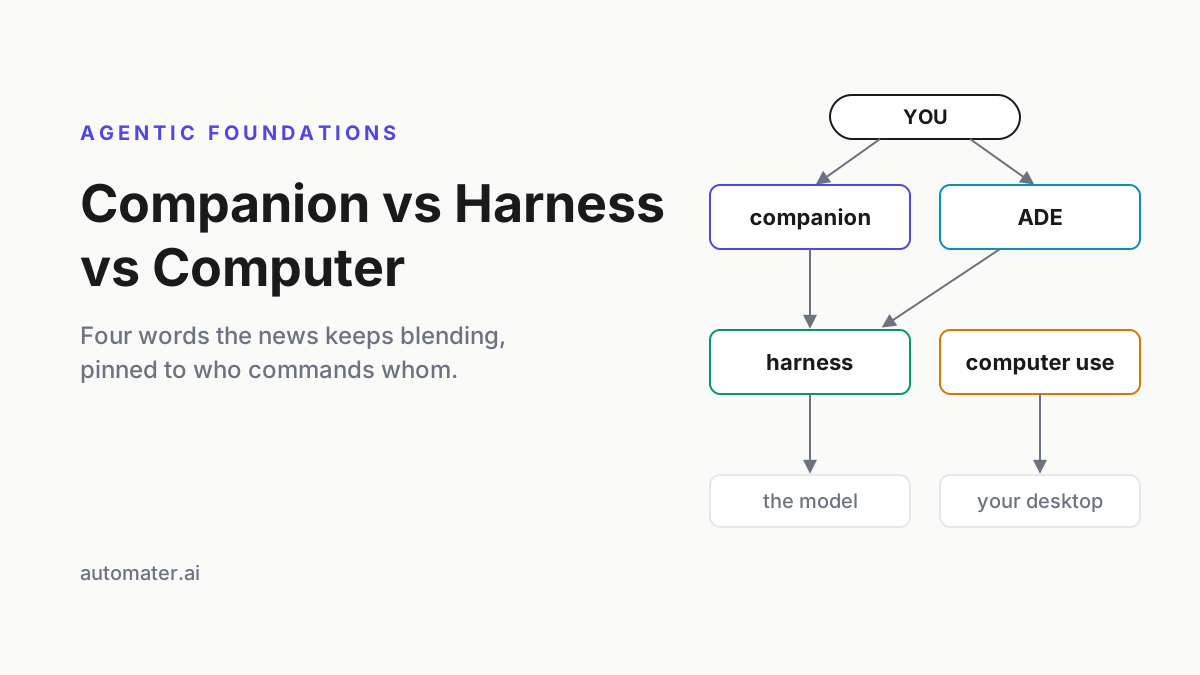
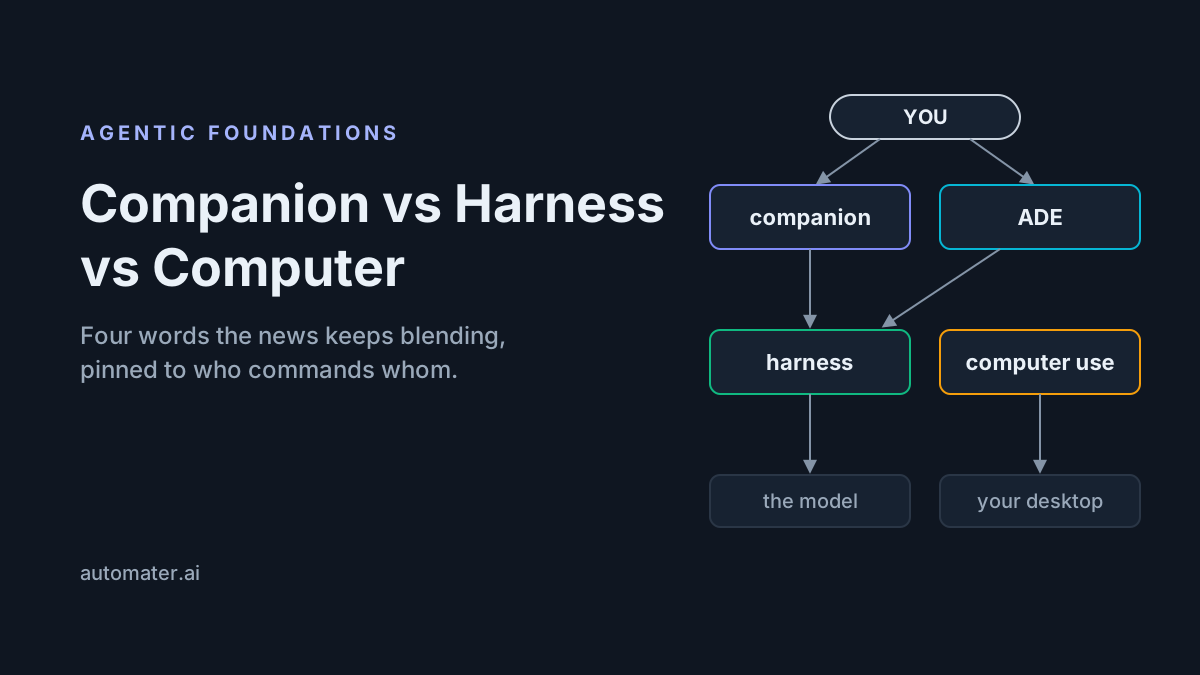
AI companion vs harness vs computer-use agent vs ADE: define each layer, map who commands whom, and identify the capability a product actually sells.
Read the story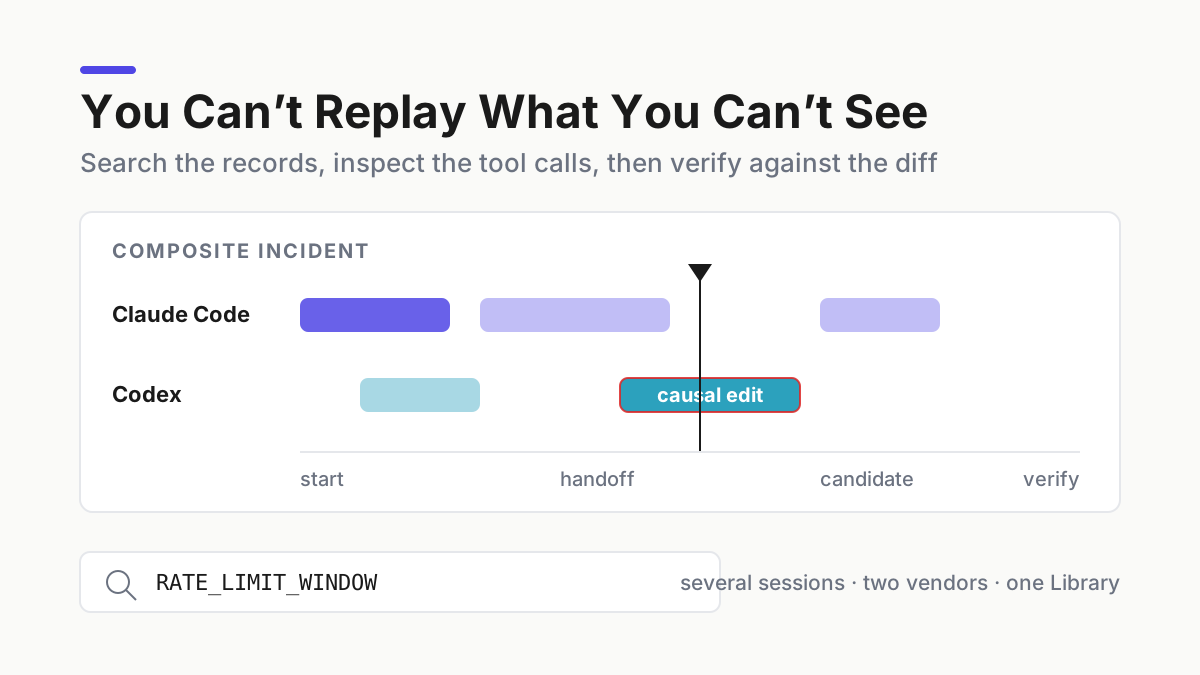
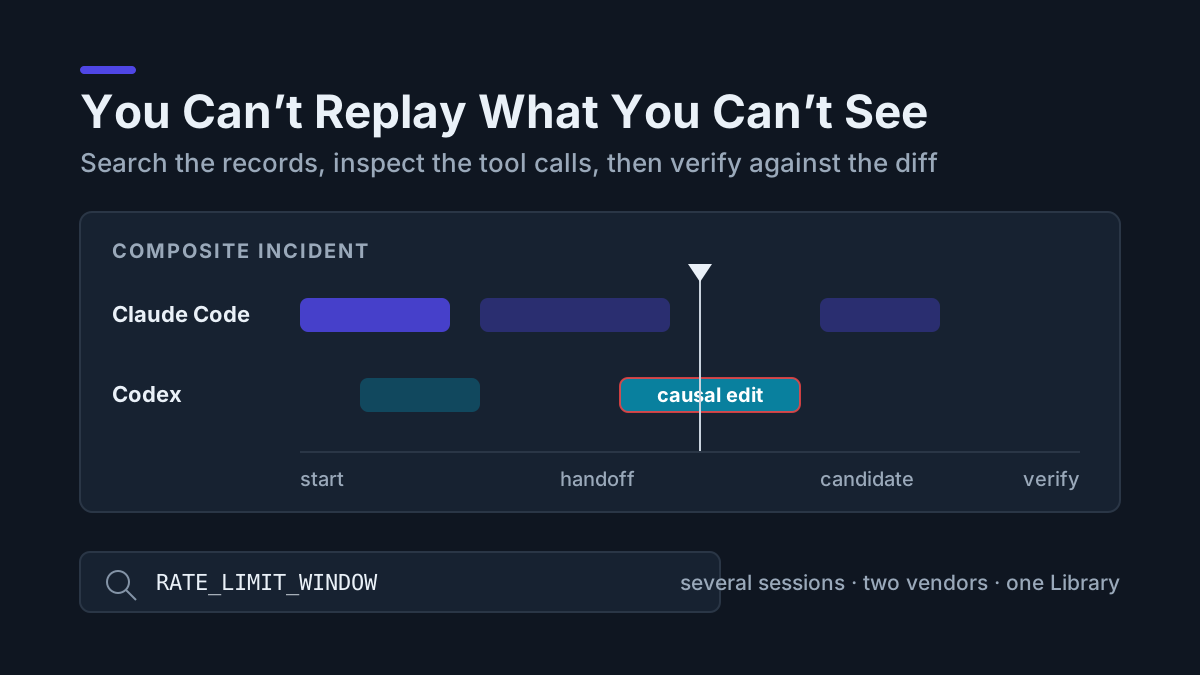
An incident playbook for AI session replay: search supported session records together, inspect tool calls, match them to the diff, and resume where supported.
Read the story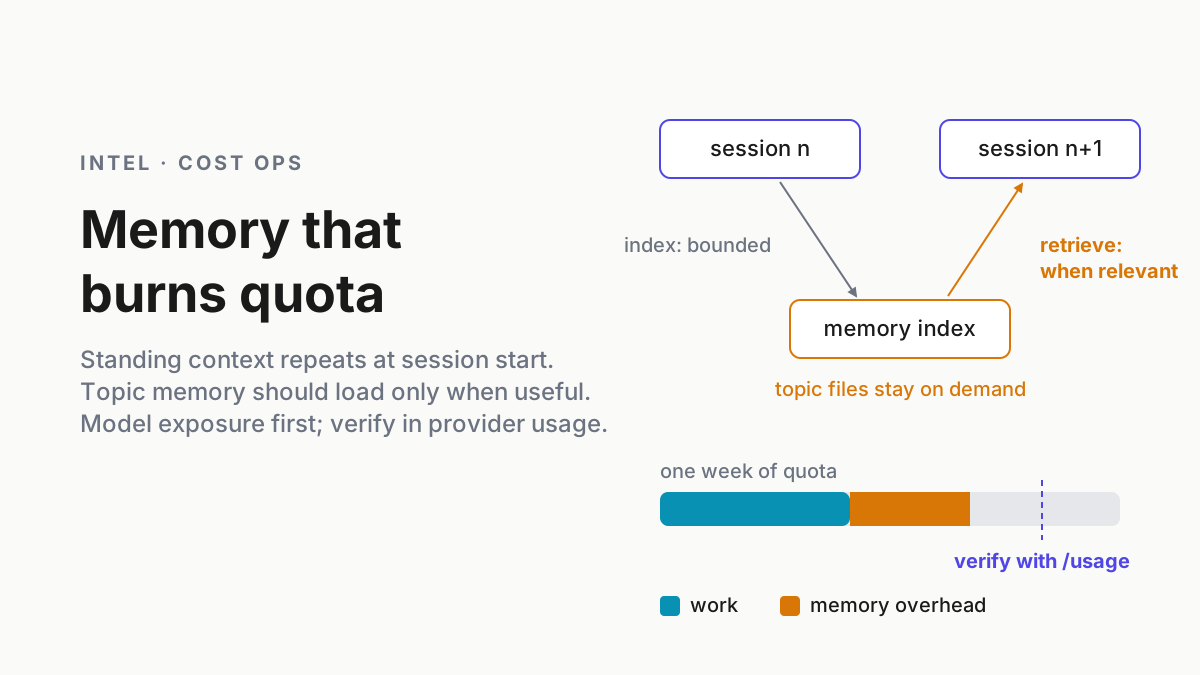
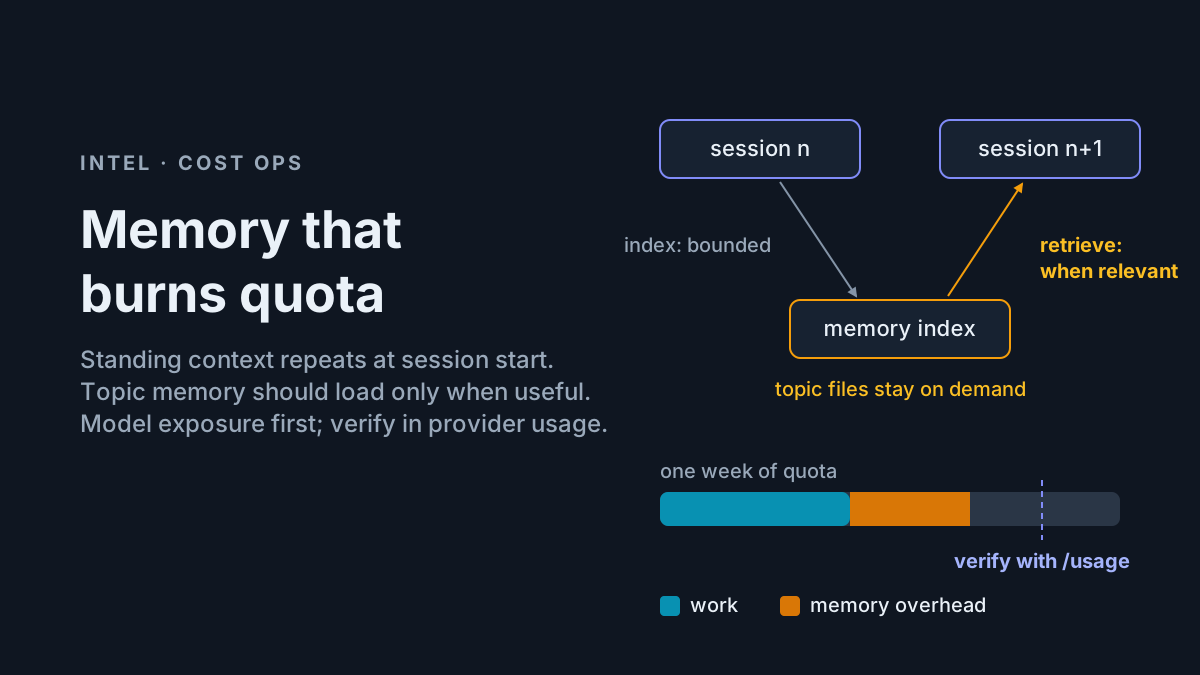
Measure Claude memory cost across auto memory, CLAUDE.md, and plugins, then replace indiscriminate replay with a bounded, archive-first retrieval policy.
Read the story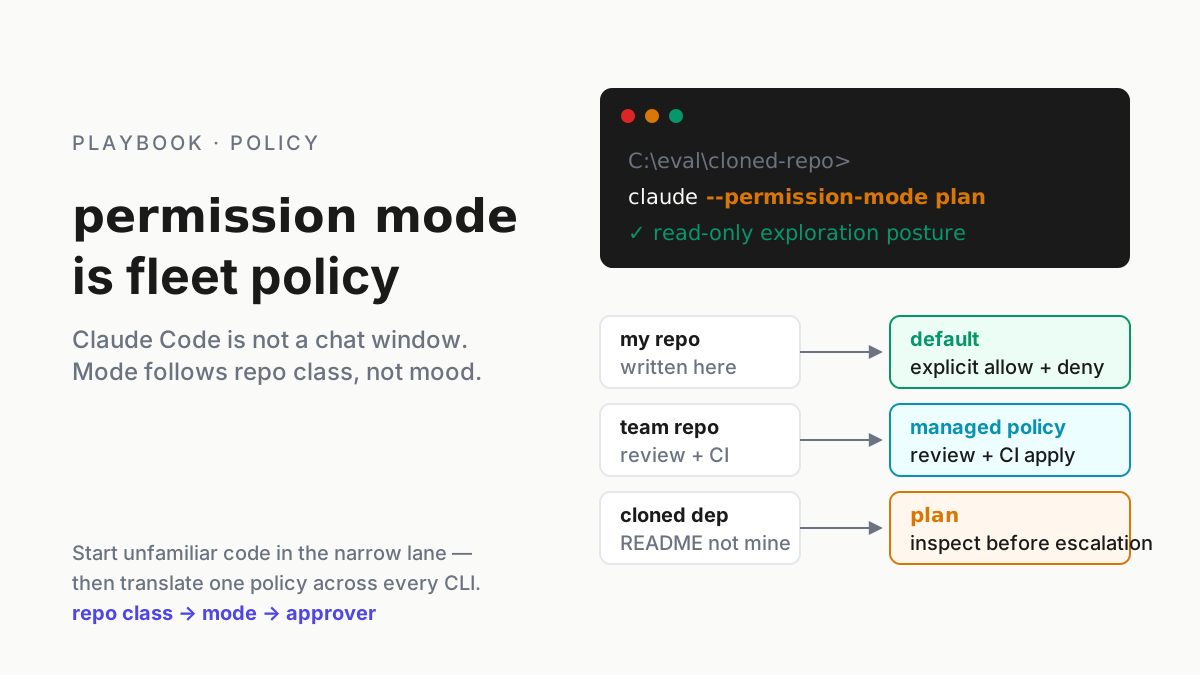
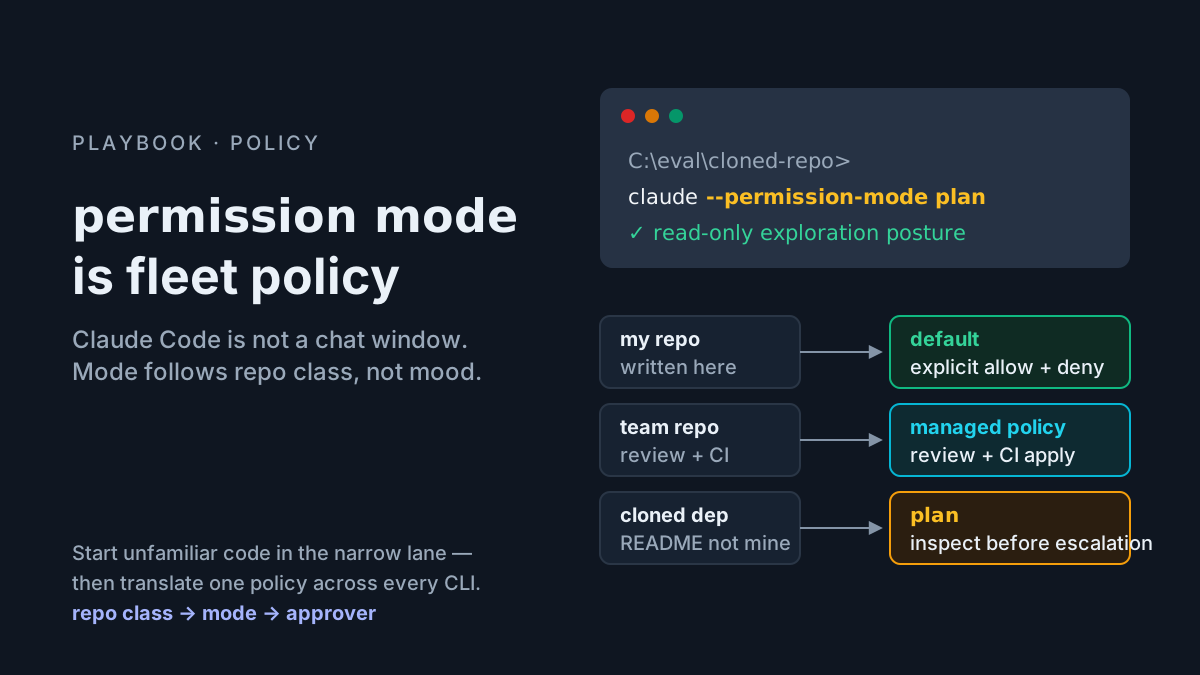
Choose Claude Code permission modes by repository trust, define who can escalate them, and audit the same policy across an AI-agent fleet.
Read the story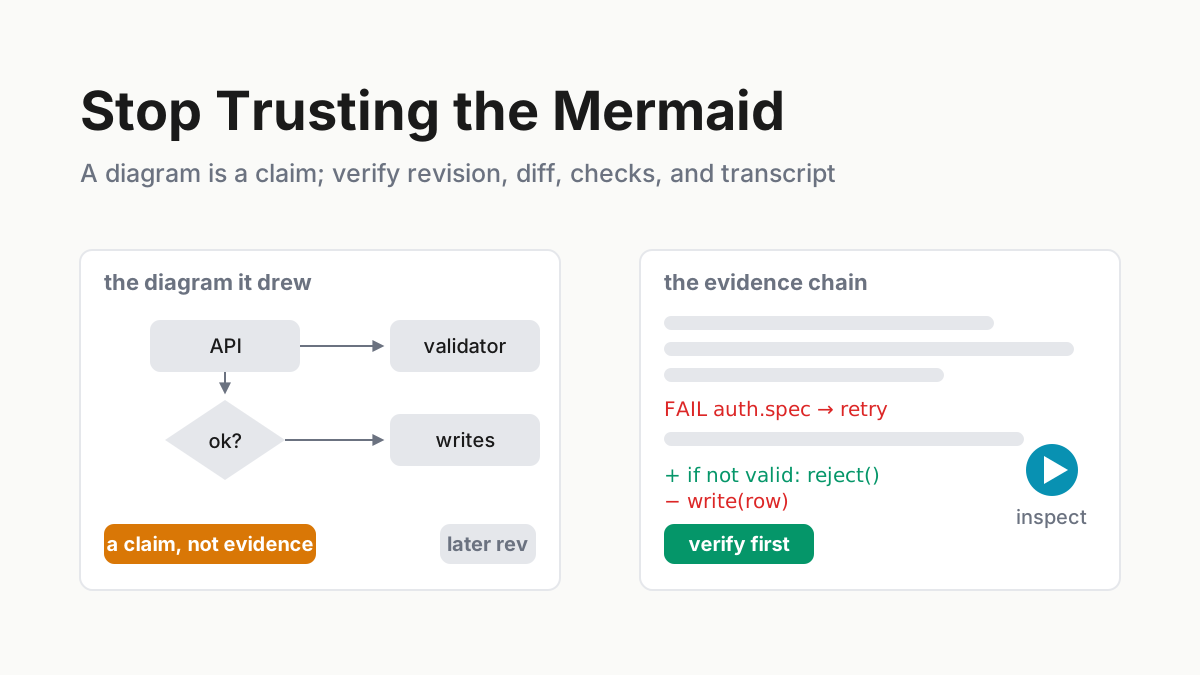
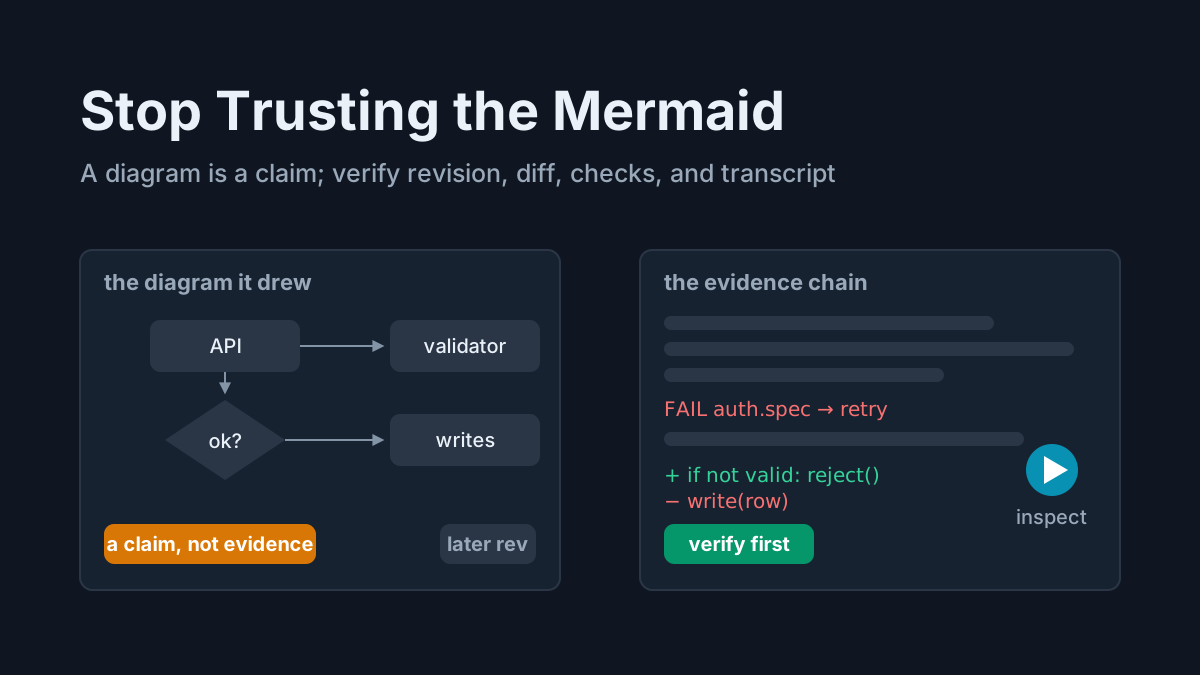
Review AI-generated diagrams as claims: inspect the transcript, diff, command outputs and current tests, then reproduce suspicious behavior before merge.
Read the story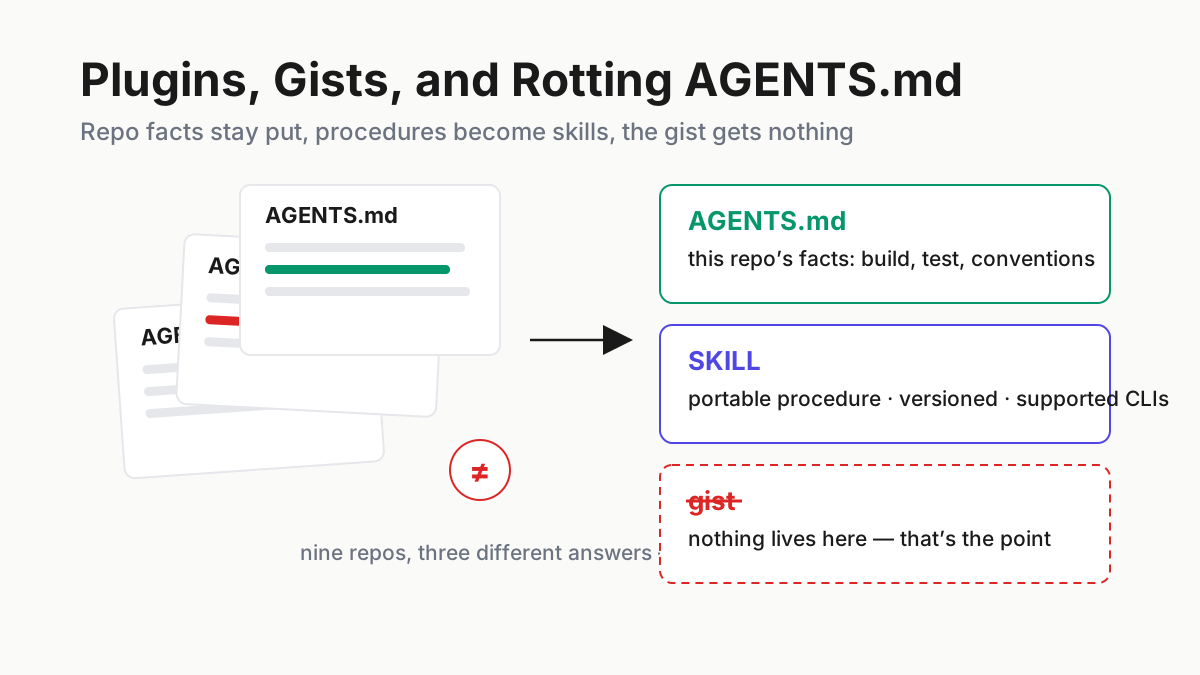
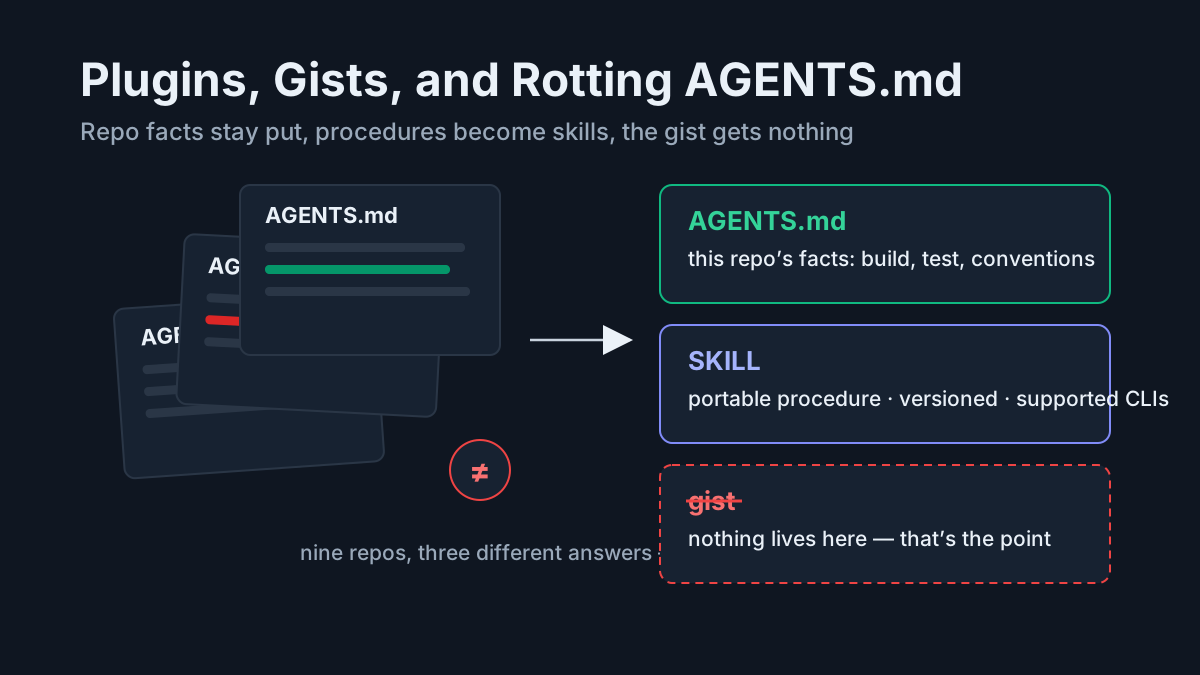
AGENTS.md files drift, conflict, and multiply until no two agents run the same job. The playbook: what stays, what becomes a skill, and the quarterly rot audit.
Read the story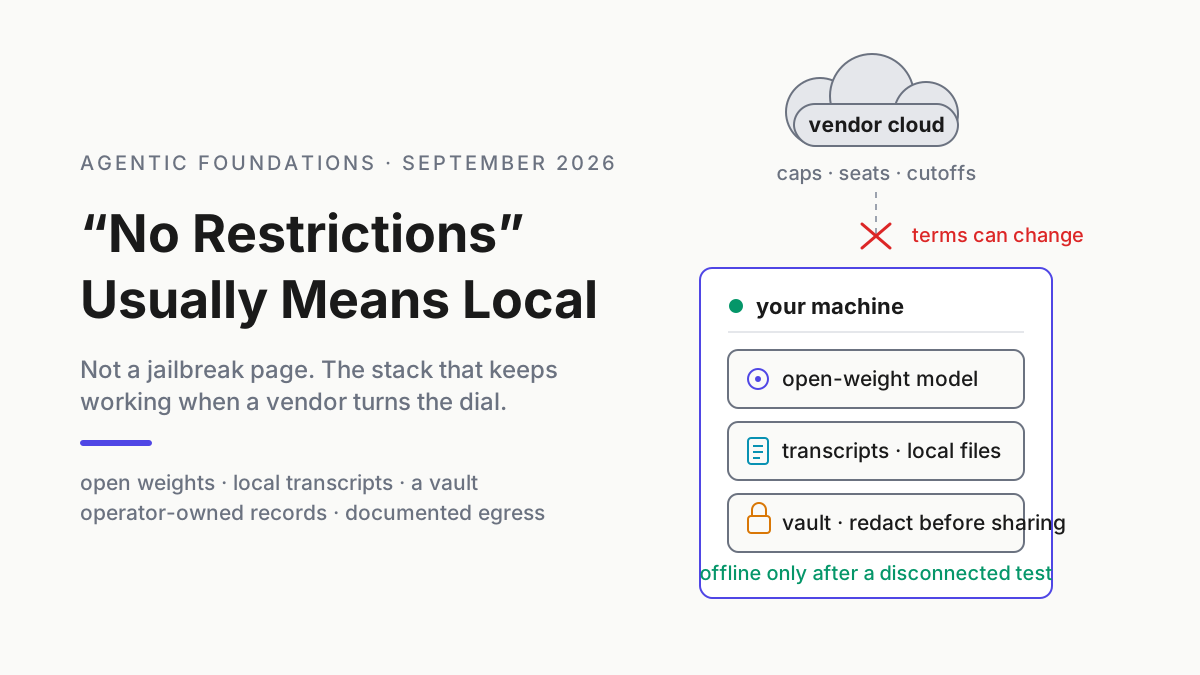
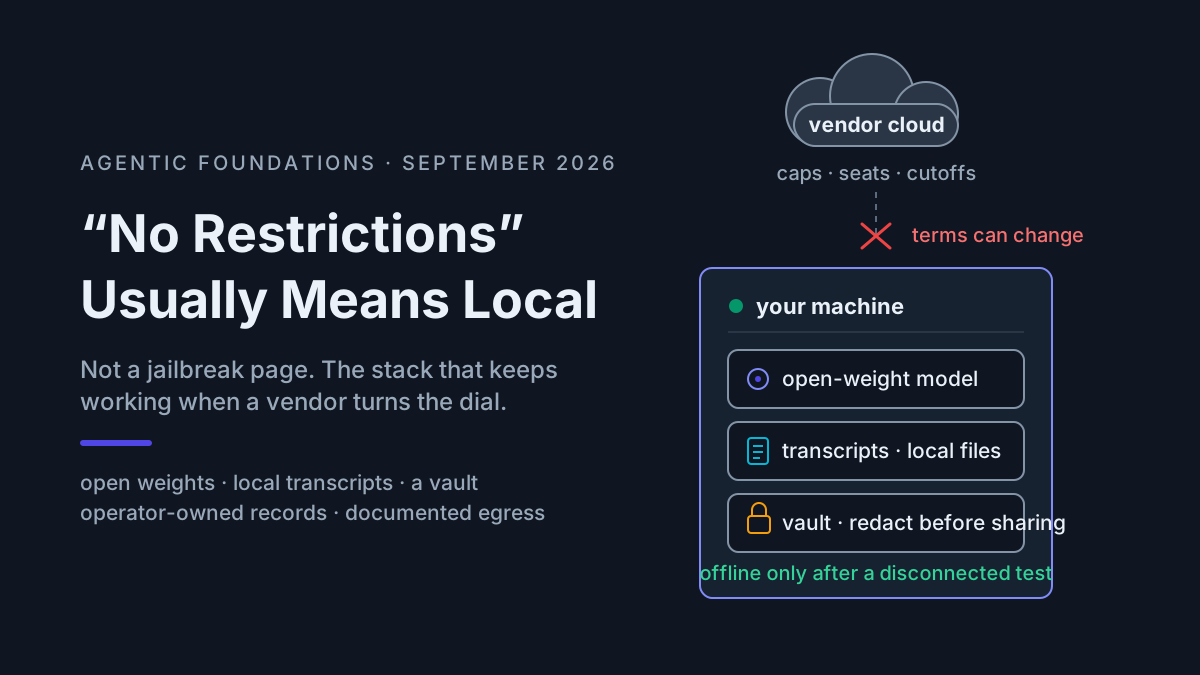
Most people searching for AI with no restrictions don't want jailbreaks. They want local: models, transcripts, and installs no vendor can cap or cut off.
Read the story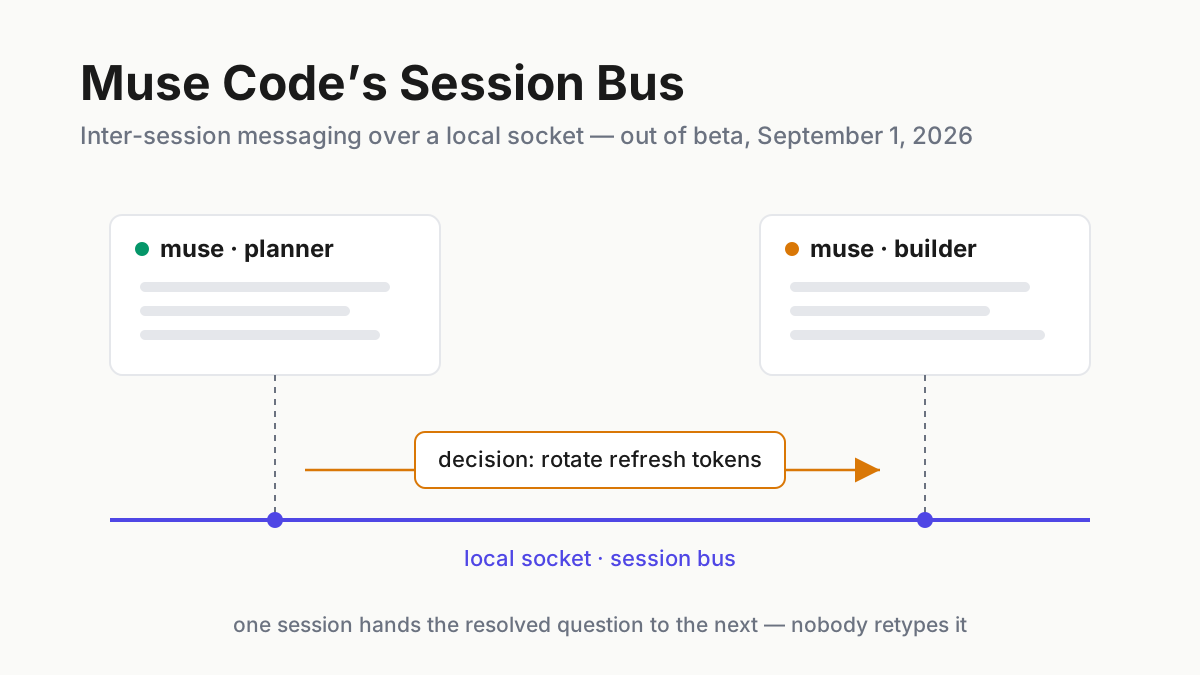
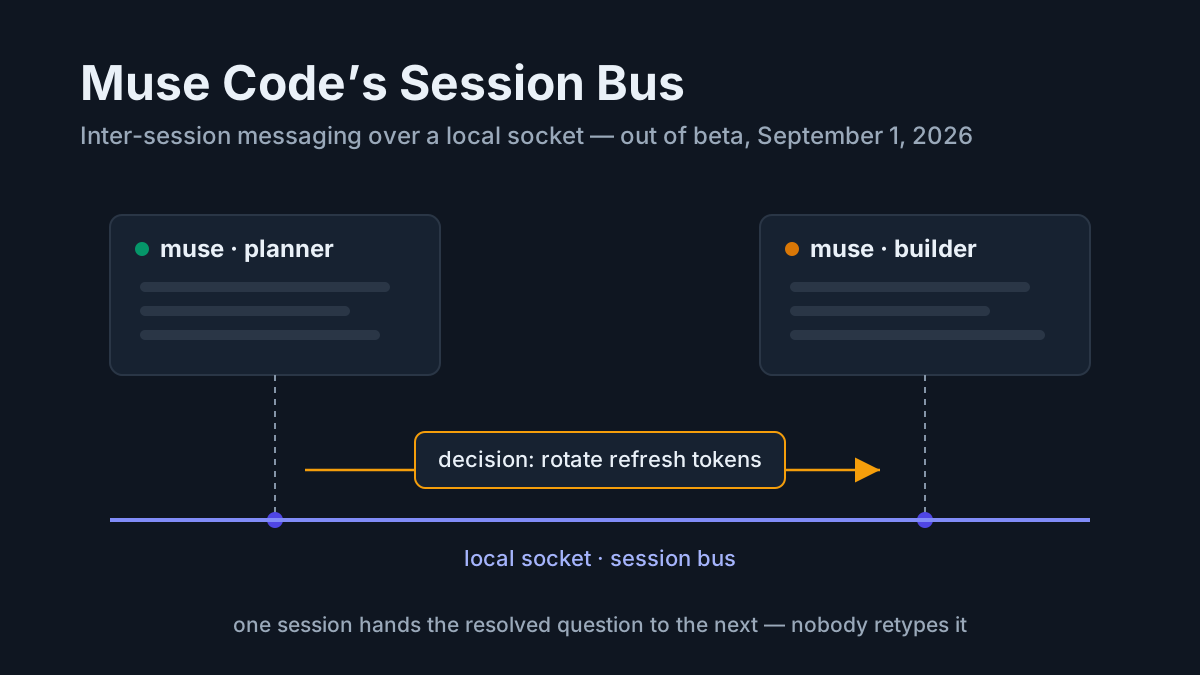
The Muse Code session bus is live: inter-session messaging over a local socket, plans from $5. What the primitive does to visibility, token burn, and replay.
Read the storyBring your AI sessions, context, and usage together with Automater.
Get started
Lite is free forever, installs in about a minute, and reads the session history you already have.
Also for macOS (Apple silicon) and Linux.
Signed installer. No account. Session content stays on your disk.